
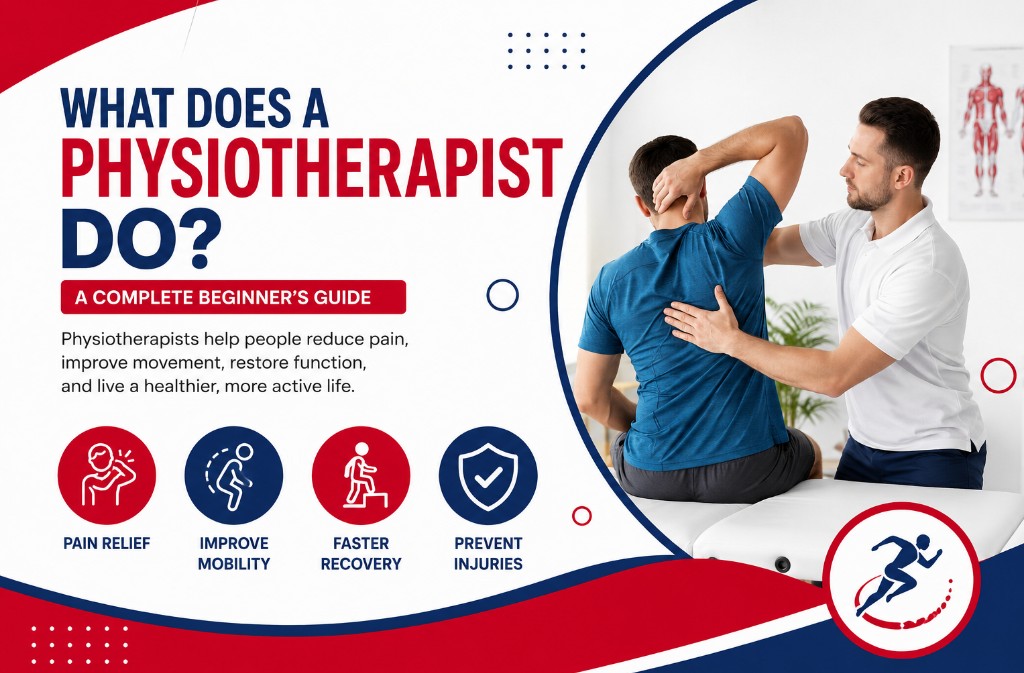
Have you ever wondered what a physiotherapist actually does? Many people believe physiotherapy is only for athletes or those recovering from surgery. However, physiotherapy benefits people of all ages and activity levels. Whether you’re dealing with chronic pain, recovering from an injury, or simply looking to improve your mobility, a physiotherapist can help you move better and feel stronger.
At Lifeline Physio, we provide personalized treatment plans designed to reduce pain, restore movement, and improve your overall quality of life. In this guide, you’ll learn exactly what a physiotherapist does, when you should see one, and how physiotherapy can support your long-term health.
What Does a Physiotherapist Do?
A physiotherapist is a licensed healthcare professional who assesses, diagnoses, and treats conditions affecting movement, muscles, joints, and overall physical function. Rather than simply treating symptoms, physiotherapists identify the underlying cause of pain or mobility problems. As a result, patients receive treatment that supports long-term recovery instead of temporary relief.
In addition, physiotherapists educate patients about posture, body mechanics, and injury prevention. Their goal is to help people regain strength, improve flexibility, and return to their normal daily activities with confidence.
How Physiotherapists Help Patients
Physiotherapists use evidence-based techniques to create personalized treatment plans. Because every patient is different, each plan is tailored to individual needs and recovery goals. Furthermore, treatment is adjusted as you progress to ensure the best possible results.
Pain Management
One of the primary responsibilities of a physiotherapist is helping patients manage pain naturally. Instead of relying only on medication, physiotherapy combines manual therapy, therapeutic exercises, stretching, and movement education. Consequently, many patients experience lasting pain relief while improving their overall mobility.
Injury Rehabilitation
Whether you’ve experienced a sports injury, workplace accident, or fall, physiotherapy plays a key role in recovery. First, your physiotherapist performs a detailed assessment. Next, they design a rehabilitation program that safely rebuilds strength and function. Ultimately, this helps you return to work, sports, and everyday activities with confidence.
Improving Mobility
Limited mobility can develop because of aging, arthritis, surgery, or injury. Fortunately, physiotherapists design customized exercise programs that improve flexibility, strength, coordination, and balance. Over time, these improvements make daily activities easier and more comfortable.
Preventing Future Injuries
Physiotherapists don’t only treat existing problems—they also help prevent new ones. For example, they identify muscle imbalances, poor posture, and unhealthy movement patterns. Additionally, they teach proper body mechanics and exercises that reduce the risk of future injuries. As a result, patients enjoy healthier movement and fewer recurring problems.
Conditions Treated by a Physiotherapist
Physiotherapists help treat many conditions affecting the muscles, joints, and nervous system. Some of the most common conditions include:
- Back pain
- Neck pain
- Shoulder pain
- Knee pain
- Hip pain
- Sports injuries
- Arthritis
- Sciatica
- Muscle strains
- Ligament sprains
- Tendon injuries
- Post-surgical rehabilitation
- Balance disorders
- Workplace injuries
- Chronic pain conditions
At Lifeline Physio, every treatment plan is carefully designed to match each patient’s unique condition and personal goals.
What Happens During Your First Physiotherapy Appointment?
If you’ve never visited a physiotherapist before, your first appointment is straightforward and informative.
Initial Assessment
Initially, your physiotherapist will ask questions about:
- Your medical history
- Current symptoms
- Pain levels
- Previous injuries
- Daily activities
- Personal recovery goals
Physical Examination
Next, a physical assessment may include evaluating:
- Joint mobility
- Muscle strength
- Flexibility
- Balance
- Walking pattern
- Posture
- Functional movement
Personalized Treatment Plan
Finally, your physiotherapist will develop a customized treatment plan. Depending on your condition, it may include manual therapy, strengthening exercises, stretching, posture correction, education, and a home exercise program. This approach helps support both short-term recovery and long-term wellness.
Common Physiotherapy Treatments
Every patient receives individualized care based on their specific condition. Generally, treatment combines several techniques for the best outcomes.
Manual Therapy
Manual therapy uses hands-on techniques to improve joint mobility, reduce muscle tension, and relieve pain. As a result, patients often notice improved movement after treatment.
Therapeutic Exercise
Exercise programs strengthen muscles, improve flexibility, and restore physical function. Furthermore, these exercises are adjusted throughout your recovery to match your progress.
Stretching Programs
Stretching helps improve range of motion while reducing stiffness. In addition, it supports healthy muscles and joints, making everyday movement easier.
Posture and Movement Education
Poor posture often contributes to ongoing pain. Therefore, physiotherapists teach proper movement techniques that reduce unnecessary strain on the body and improve daily comfort.
Injury Prevention Advice
Physiotherapists also provide practical advice about workplace ergonomics, sports performance, lifting techniques, and healthy movement habits. Consequently, patients are better equipped to avoid future injuries.
Who Should See a Physiotherapist?
Many people can benefit from physiotherapy. For example, you should consider seeing a physiotherapist if you:
- Experience ongoing pain
- Have recently suffered an injury
- Are recovering from surgery
- Have difficulty walking or moving comfortably
- Participate in sports regularly
- Spend long hours sitting at a desk
- Want to improve flexibility and balance
- Wish to prevent future injuries
Most importantly, you don’t have to wait until your pain becomes severe. In fact, early treatment often leads to faster recovery and better long-term results.
Benefits of Physiotherapy
Physiotherapy offers many benefits for people of all ages. For instance, it helps:
- Reduce pain
- Improve mobility
- Increase strength
- Improve flexibility
- Enhance posture
- Improve balance and coordination
- Speed up recovery after injury
- Reduce dependence on pain medication
- Prevent future injuries
- Improve overall quality of life
At Lifeline Physio, we focus on long-term recovery rather than temporary symptom relief. Therefore, every treatment plan is designed around your individual health goals.
Why Choose Lifeline Physio?
Choosing the right physiotherapy clinic can make a significant difference in your recovery. At Lifeline Physio, our experienced team provides comprehensive assessments, evidence-based treatments, and compassionate care. Moreover, we take time to understand your goals before creating a personalized treatment plan.
Whether you’re recovering from surgery, managing chronic pain, or looking to improve mobility, we’re committed to helping you achieve lasting results.
Lifeline Physio
Phone: +1 (403) 960-0333
Frequently Asked Questions
What does a physiotherapist do during the first appointment?
A physiotherapist reviews your medical history, discusses your symptoms, performs a physical assessment, and creates a personalized treatment plan. Afterward, you’ll receive recommendations based on your condition and recovery goals.
Do I need a doctor’s referral to see a physiotherapist?
In many cases, no referral is required. However, some insurance providers may request one before covering treatment.
How many physiotherapy sessions will I need?
The number of sessions depends on your condition, its severity, and your recovery progress. Typically, your physiotherapist will discuss an estimated treatment timeline after your assessment.
Can physiotherapy help avoid surgery?
Yes. In many cases, physiotherapy effectively manages pain and improves function, helping some patients delay or even avoid surgery.
Is physiotherapy only for injuries?
No. Besides treating injuries, physiotherapy also helps with chronic pain, arthritis, posture correction, balance improvement, mobility issues, and injury prevention.
Conclusion
Understanding what does a physiotherapist do is the first step toward improving your physical health. Whether you’re recovering from an injury, managing chronic pain, or looking to improve your mobility, physiotherapy provides safe, effective, and evidence-based solutions.
Above all, early treatment can prevent minor problems from becoming long-term conditions. If you’re ready to move with greater comfort and confidence, contact Lifeline Physio today. Our experienced team is committed to helping you reduce pain, restore movement, and enjoy a healthier, more active lifestyle.