
What Happens During Your First Physiotherapy Assessment?
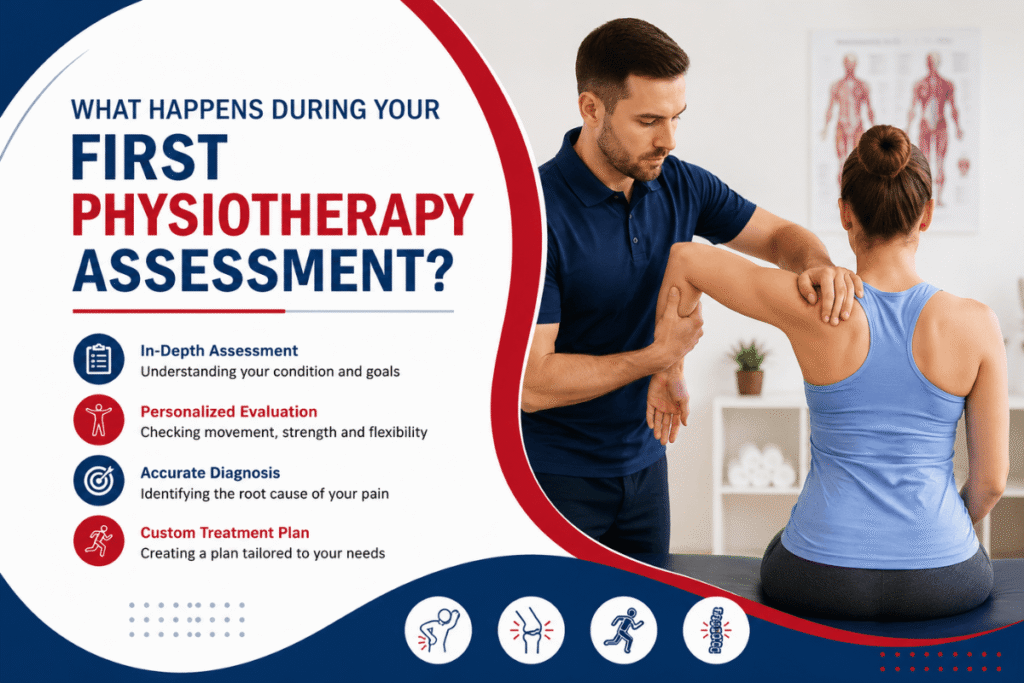
Starting physiotherapy for the first time can feel overwhelming, especially if you are unsure what to expect. However, knowing what happens during your first physiotherapy assessment can help you feel more confident and prepared. At Lifeline Physio, the initial assessment is designed to understand your condition, identify the root cause of your pain, and create a personalized treatment plan that supports your recovery goals. Whether you are recovering from an injury, managing chronic pain, or improving mobility after surgery, your first appointment is an important step toward better health. Most importantly, it allows your physiotherapist to develop the right treatment approach based on your individual needs. Why Is a First Physiotherapy Assessment Important? A first physiotherapy assessment is much more than a simple consultation. Instead, it provides a complete picture of your physical health and movement patterns. As a result, your physiotherapist can accurately diagnose the problem and recommend the most effective treatment. At Lifeline Physio, every assessment is patient-centered and focuses on helping you recover safely and efficiently. Some of the key benefits include: Identifying the underlying cause of pain Evaluating strength, flexibility, and mobility Preventing future injuries Creating a customized treatment plan Setting realistic recovery goals Consequently, your treatment begins with a clear understanding of your condition rather than simply addressing the symptoms. What to Expect During Your First Physiotherapy Assessment Medical History Discussion First, your physiotherapist will ask questions about your overall health and medical background. You may be asked about: Your current symptoms Previous injuries or surgeries Existing medical conditions Current medications Daily activities and occupation Exercise habits Recovery goals This information helps the therapist understand how your condition affects your everyday life. Furthermore, it ensures that your treatment plan is both safe and effective. Physical Examination Next, your physiotherapist will perform a comprehensive physical assessment. Depending on your condition, this may include evaluating: Posture Walking pattern (gait) Joint movement Muscle strength Flexibility Balance Coordination Pain levels during movement In addition, special orthopedic or neurological tests may be performed to identify the exact source of discomfort. At Lifeline Physio, every examination is conducted carefully, ensuring your comfort throughout the assessment. Movement Assessment After the physical examination, your physiotherapist will observe how your body moves during different activities. For example, they may ask you to: Bend forward Lift your arms Squat Walk Climb steps Perform movements related to sports or work As a result, they can identify movement restrictions, muscle imbalances, or faulty movement patterns that may be contributing to your pain. Creating Your Personalized Treatment Plan Once your assessment is complete, your physiotherapist will explain their findings in simple language. Your personalized treatment plan may include: Manual therapy Therapeutic exercises Stretching programs Strength training Posture correction Balance training Sports rehabilitation Education on injury prevention Moreover, your therapist will discuss the expected recovery timeline and recommend how often you should attend physiotherapy sessions. Because every patient is unique, no two treatment plans are exactly the same. Will You Receive Treatment During Your First Visit? In many cases, yes. If appropriate, your physiotherapist may begin treatment immediately after completing the assessment. This could include: Soft tissue therapy Joint mobilization Guided exercises Dry needling (when suitable) Heat or cold therapy Taping techniques However, the type of treatment depends on your diagnosis and current condition. Therefore, your therapist will always explain each step before beginning. How Should You Prepare for Your Appointment? Preparing in advance helps your physiotherapist complete a more accurate assessment. Before your appointment, remember to bring: Government-issued identification Health insurance information (if applicable) Referral letter (if required) Previous X-rays, MRI, or imaging reports List of medications Comfortable clothing suitable for movement Additionally, arriving a few minutes early allows enough time to complete any necessary paperwork. What Happens After the Assessment? Following your first physiotherapy assessment, your therapist will outline the next steps in your recovery journey. These may include: Scheduling follow-up appointments Providing a home exercise program Offering lifestyle and ergonomic advice Monitoring your progress regularly Adjusting treatment based on improvements As you continue treatment, your plan may evolve to match your progress and changing needs. Why Choose Lifeline Physio? Choosing the right physiotherapy clinic can make a significant difference in your recovery. At Lifeline Physio, patients receive compassionate, evidence-based care tailored to their individual goals. Our experienced physiotherapists focus on: Personalized treatment plans Comprehensive assessments Modern rehabilitation techniques Pain management solutions Long-term injury prevention Friendly and supportive care Whether you are dealing with sports injuries, back pain, neck pain, post-surgical rehabilitation, or mobility challenges, our team is committed to helping you move better and feel stronger. Frequently Asked Questions How long does a first physiotherapy assessment take? Most first physiotherapy assessments take approximately 45 to 60 minutes, depending on your condition and medical history. Do I need a doctor’s referral? In many cases, you do not need a referral to see a physiotherapist. However, some insurance providers may require one for reimbursement. Should I wear specific clothing? Yes. Comfortable clothing that allows easy movement is recommended, especially if the injured area needs to be examined. Will my first appointment include treatment? Often, yes. If your condition allows, treatment may begin during your first visit after the assessment is completed. How many physiotherapy sessions will I need? The number of sessions depends on your condition, recovery goals, and how your body responds to treatment. Your physiotherapist will discuss an estimated treatment plan after your assessment. Conclusion Your first physiotherapy assessment is the foundation of a successful recovery. It gives your physiotherapist the opportunity to understand your condition, identify the root cause of your symptoms, and create a treatment plan designed specifically for you. Furthermore, it helps establish realistic goals while ensuring every stage of your rehabilitation is focused on improving your mobility, reducing pain, and restoring your quality of life. If you are ready to begin your recovery journey, Lifeline Physio is here to help. Visit us at 2920 Kingsview Blvd SE #3125, Airdrie, AB T4A 0A9, Canada, or call +1 (403) 960-0333 or +1 (403)
8 Signs Your Feet Need Custom Orthotics
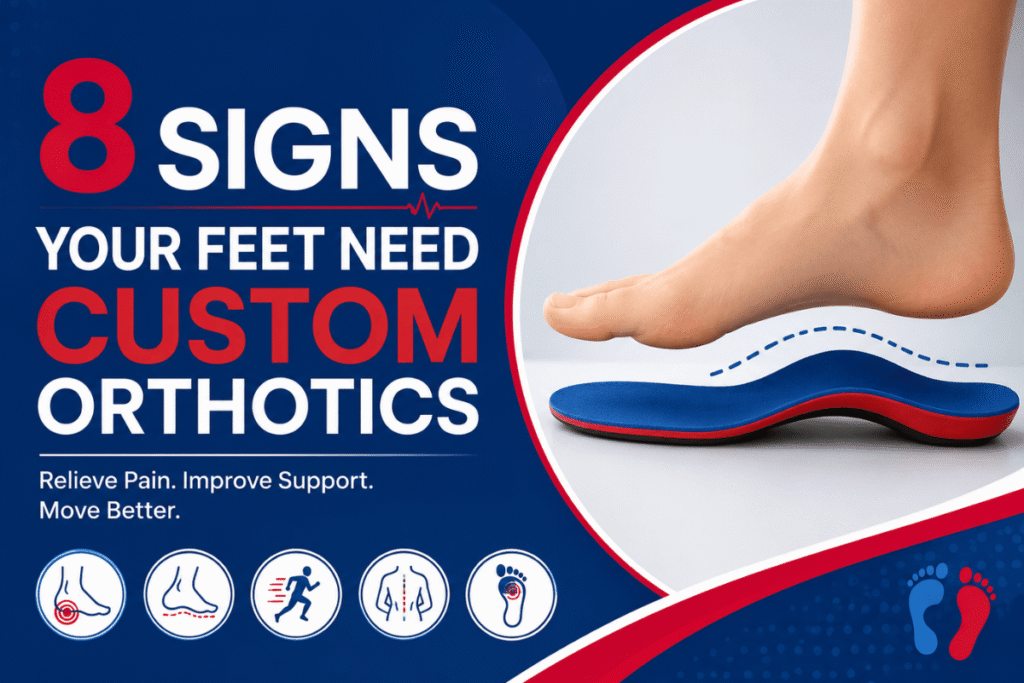
Your feet support your entire body every single day. Whether you’re walking, running, working, or exercising, they absorb constant pressure. However, when your feet are not properly supported, they can lead to pain and discomfort that affects your knees, hips, and even your back. Fortunately, custom orthotics can help correct foot alignment, improve posture, and reduce pain. Unlike over-the-counter shoe inserts, custom orthotics are specifically designed to match your feet and address your unique movement patterns. At Lifeline Physio, our experienced physiotherapists assess your foot mechanics and create personalized treatment plans that help you move comfortably and confidently. If you’re unsure whether custom orthotics are right for you, here are eight signs to watch for. 1. You Experience Persistent Foot Pain Foot pain that continues for weeks should never be ignored. While occasional soreness after a long day is normal, ongoing discomfort often indicates an underlying issue. Common symptoms include: Heel pain Arch pain Pain in the ball of the foot Burning sensations Tenderness while walking In many cases, custom orthotics reduce pressure on painful areas and provide better support. As a result, everyday activities become much more comfortable. 2. You Have Plantar Fasciitis Plantar fasciitis is one of the most common causes of heel pain. Typically, it causes sharp pain during the first few steps in the morning or after sitting for extended periods. Because the plantar fascia experiences repeated stress, it can become inflamed. Fortunately, custom orthotics help distribute pressure evenly across the foot, reducing strain on the ligament. At Lifeline Physio, physiotherapy combined with custom orthotics often provides long-term relief while addressing the root cause of the condition. 3. Your Shoes Wear Out Unevenly Take a close look at the soles of your shoes. If one side wears down faster than the other, your walking pattern may be unbalanced. For example: Excessive wear on the inside may indicate overpronation. Wear on the outside may suggest supination. Uneven heel wear can point to gait abnormalities. Therefore, uneven shoe wear is often an early sign that your feet need better support. Custom orthotics help improve alignment and encourage a more balanced walking pattern. 4. You Frequently Experience Knee, Hip, or Lower Back Pain Many people don’t realize that foot alignment directly affects the rest of the body. When your feet don’t function properly, your knees, hips, and spine compensate. Consequently, this compensation may lead to: Knee pain Hip discomfort Lower back pain Muscle fatigue Rather than treating only the symptoms, custom orthotics address the underlying biomechanical problem. As a result, many patients notice reduced pain throughout their body. 5. You Spend Long Hours Standing If your job requires standing for several hours every day, your feet absorb tremendous stress. Healthcare workers, retail employees, warehouse staff, teachers, and construction workers often experience fatigue and soreness because of prolonged standing. Fortunately, custom orthotics provide additional cushioning and support. In addition, they improve weight distribution, making long workdays much more comfortable. At Lifeline Physio, we frequently help professionals stay active with customized orthotic solutions. 6. You Have Flat Feet or High Arches Everyone’s feet are different. However, certain foot structures place additional stress on muscles and joints. Flat Feet People with flat feet often overpronate, causing excessive inward rolling of the foot. High Arches On the other hand, high arches absorb less shock, increasing pressure on specific parts of the foot. In both cases, custom orthotics provide the support needed to improve stability and reduce discomfort during daily activities. 7. You’re an Active Individual or Athlete Athletes place repetitive stress on their feet through running, jumping, and rapid directional changes. As training intensity increases, so does the risk of: Shin splints Achilles tendon pain Foot fatigue Stress injuries Because every athlete moves differently, custom orthotics help optimize foot mechanics and improve overall performance. Moreover, proper support may reduce the likelihood of future injuries, allowing you to stay active for longer. 8. You Develop Corns, Calluses, or Pressure Points Corns and calluses often develop because excessive pressure is placed on certain areas of the foot. Although they may seem minor, recurring pressure points often indicate abnormal weight distribution. Custom orthotics help redistribute pressure more evenly. Consequently, they reduce friction, improve comfort, and prevent recurring skin irritation. Why Choose Lifeline Physio for Custom Orthotics? Finding the right orthotics starts with a professional assessment. At Lifeline Physio, we go beyond simply recommending shoe inserts. Our comprehensive assessment includes: Detailed gait analysis Foot posture evaluation Movement assessment Personalized orthotic recommendations Ongoing physiotherapy support Furthermore, we combine custom orthotics with targeted physiotherapy exercises whenever appropriate. This comprehensive approach helps address both the symptoms and the underlying cause of your discomfort, leading to better long-term outcomes. Frequently Asked Questions How do custom orthotics differ from store-bought insoles? Store-bought insoles provide general cushioning. In contrast, custom orthotics are specifically designed to fit your feet, improve alignment, and address your unique biomechanical needs. How long do custom orthotics last? Most custom orthotics last between two and five years, depending on the materials, usage, and your activity level. Regular assessments ensure they continue to provide proper support. Can custom orthotics help back pain? Yes. Since poor foot alignment can affect the knees, hips, and spine, custom orthotics may reduce lower back pain by improving overall body mechanics. Do I need a physiotherapy assessment before getting orthotics? Yes. A professional assessment identifies the root cause of your symptoms and ensures your orthotics are tailored to your specific needs. Can athletes benefit from custom orthotics? Absolutely. Many athletes use custom orthotics to improve performance, reduce repetitive stress, enhance stability, and lower their risk of injury. Conclusion Ignoring persistent foot pain can eventually lead to discomfort throughout your entire body. However, recognizing these warning signs early allows you to address the problem before it worsens. Whether you’re dealing with heel pain, uneven shoe wear, flat feet, or recurring joint discomfort, custom orthotics may provide the support your body needs. At Lifeline Physio, our experienced team delivers personalized assessments and evidence-based treatment plans designed
Sports Massage vs. Regular Massage: What’s the Difference?
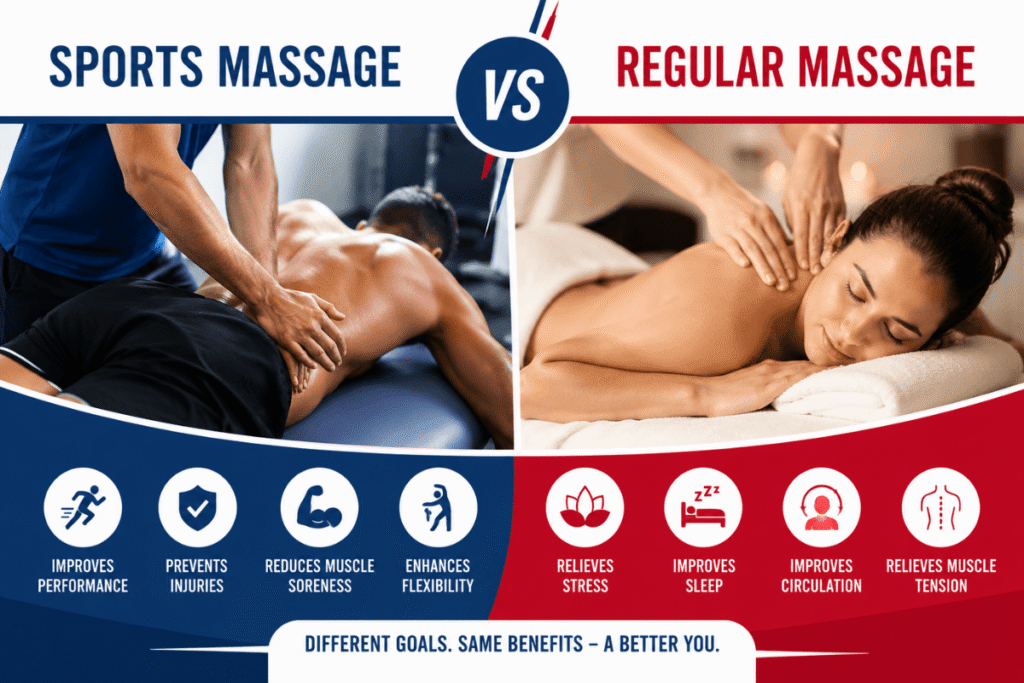
Whether you’re a competitive athlete, a weekend runner, or someone looking to ease everyday muscle tension, choosing the right type of massage can make a significant difference. While both sports massage and regular massage help reduce discomfort and improve overall well-being, they serve different purposes and use different techniques. At Lifeline Physio, we often help patients understand which massage therapy best supports their health, recovery, and performance goals. In this guide, we’ll explain the key differences between sports massage and regular massage, their benefits, and how to determine which option is right for you. What Is a Sports Massage? A sports massage is a specialized form of massage therapy designed to improve athletic performance, prevent injuries, and speed up recovery after physical activity. Unlike a traditional relaxation massage, sports massage focuses on muscles, tendons, and connective tissues that experience repeated stress from exercise or sports. Depending on your needs, a sports massage may be performed before an event, after exercise, or as part of an ongoing recovery plan. Common Techniques Used in Sports Massage A sports massage may include: Deep tissue techniques Trigger point therapy Myofascial release Stretching and joint mobilization Compression and friction techniques As a result, these methods help improve flexibility, reduce muscle tightness, and promote faster recovery. What Is a Regular Massage? A regular massage, often called a Swedish massage or relaxation massage, is primarily designed to reduce stress, improve circulation, and encourage relaxation. Instead of focusing on sports-related muscle issues, it uses gentle to moderate pressure to ease tension throughout the body. For many people, regular massage is an excellent way to improve overall wellness and reduce everyday aches caused by work, posture, or stress. Common Techniques Used in Regular Massage Regular massage typically includes: Long, flowing strokes Gentle kneading Circular movements Light stretching Rhythmic tapping Consequently, the treatment leaves many people feeling calm, refreshed, and less tense. Sports Massage vs Regular Massage: Key Differences Although both therapies involve hands-on treatment of muscles and soft tissues, their goals are quite different. Feature Sports Massage Regular Massage Purpose Performance, injury prevention, recovery Relaxation and stress relief Pressure Moderate to deep Light to moderate Focus Area Specific muscles affected by activity Entire body Best For Athletes and active individuals General wellness Techniques Deep tissue, trigger point therapy, stretching Swedish massage techniques Benefits Faster recovery, improved mobility, reduced injury risk Better relaxation, improved circulation, stress reduction Therefore, choosing the right massage depends on your health goals rather than simply your comfort preferences. Benefits of Sports Massage Sports massage offers several advantages for physically active individuals. Faster Recovery After intense workouts or competitions, sports massage helps reduce muscle soreness and supports quicker healing. Improved Flexibility Additionally, targeted stretching and soft tissue techniques improve range of motion, allowing muscles to move more efficiently. Reduced Risk of Injury Regular sports massage helps identify tight muscles before they become serious problems. As a result, athletes can reduce the likelihood of strains and overuse injuries. Better Athletic Performance Healthy muscles perform better. Furthermore, improved circulation and muscle function may contribute to enhanced strength, endurance, and movement efficiency. Benefits of Regular Massage Regular massage provides numerous physical and mental health benefits. Stress Relief One of the biggest advantages is relaxation. In fact, massage helps reduce stress hormones while promoting a sense of calm. Better Sleep Because muscles relax and stress levels decrease, many people experience improved sleep quality. Improved Circulation Gentle massage techniques encourage healthy blood flow, helping deliver oxygen and nutrients throughout the body. Reduced Muscle Tension Even if you don’t play sports, regular massage can relieve stiffness caused by sitting at a desk, poor posture, or everyday activities. Which Massage Is Right for You? The best choice depends on your lifestyle, physical condition, and treatment goals. A sports massage may be ideal if you: Exercise regularly Participate in competitive sports Are recovering from a sports injury Experience recurring muscle tightness Want to improve athletic performance A regular massage may be the better option if you: Want to reduce stress Need general relaxation Experience mild muscle tension Want to improve overall wellness Spend long hours sitting at work If you’re unsure, the experienced team at Lifeline Physio can assess your condition and recommend the most effective treatment plan for your individual needs. How Lifeline Physio Can Help At Lifeline Physio, we provide personalized massage therapy as part of comprehensive physiotherapy care. Rather than offering one-size-fits-all treatments, our experienced therapists evaluate your movement, pain levels, and recovery goals before creating a customized plan. Whether you need sports massage to support athletic performance or regular massage to relieve stress and muscle tension, we’re committed to helping you move comfortably and confidently. Our clinic proudly serves patients in Airdrie with evidence-based care focused on long-term health and recovery. Frequently Asked Questions Is sports massage painful? Sports massage can involve deeper pressure than regular massage, so mild discomfort is possible. However, the treatment should never cause excessive pain, and your therapist will adjust the pressure based on your comfort level. Can non-athletes get a sports massage? Yes. Although it’s designed for athletes, anyone with muscle tightness, repetitive strain, or physical job demands can benefit from sports massage. How often should I get a sports massage? The ideal frequency depends on your activity level and recovery goals. Generally, active individuals benefit from sessions every two to four weeks. Is regular massage good for back pain? Yes. For mild muscle-related back pain, regular massage may help reduce tension and improve comfort. However, persistent pain should be assessed by a physiotherapist. Should I combine massage therapy with physiotherapy? Absolutely. In many cases, combining massage therapy with physiotherapy provides better long-term results by addressing both muscle tension and the underlying cause of pain. Conclusion Understanding the difference between sports massage vs regular massage helps you choose the treatment that best supports your health and lifestyle. While sports massage focuses on performance, recovery, and injury prevention, regular massage promotes relaxation, stress relief, and overall well-being. Whether you’re training for your next event
Returning to Work After an Injury: How Physiotherapy Can Help
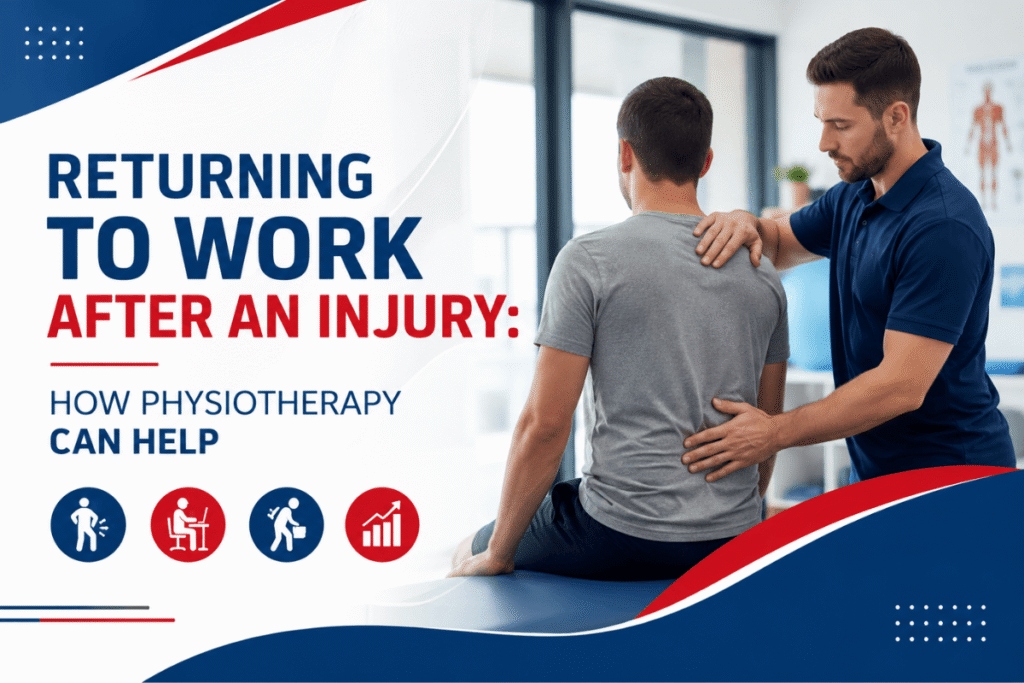
Recovering from an injury can be challenging, especially when it affects your ability to perform daily tasks or return to your job. Whether the injury happened at work, during sports, or through an accident, getting back to your regular routine requires proper care and a structured recovery plan. Physiotherapy for returning to work after injury plays an important role in helping individuals rebuild strength, improve mobility, and regain confidence. At Lifeline Physio, our experienced physiotherapists provide personalized treatment plans designed to support a safe and successful return to work while reducing the risk of future injuries. Why Returning to Work After an Injury Can Be Difficult After an injury, your body may need time to restore normal movement, strength, and flexibility. However, many people try to return to work too quickly, which can slow recovery or cause additional problems. Some common challenges after an injury include: Reduced muscle strength and endurance Limited range of motion Pain during work-related activities Difficulty performing repetitive movements Fear of reinjury Reduced confidence in physical abilities Therefore, professional guidance is essential to ensure your body is prepared before returning to your workplace responsibilities. How Physiotherapy Helps You Return to Work Safely Physiotherapy focuses on improving your physical function through targeted treatments and exercises. Moreover, it helps address the root cause of your injury rather than only managing symptoms. 1. Personalized Injury Assessment Every injury is different, so a personalized assessment is the first step toward recovery. At Lifeline Physio, physiotherapists evaluate your movement, strength, flexibility, and pain levels to create a customized rehabilitation program. This approach helps identify limitations that may affect your ability to complete work tasks safely. 2. Pain Management and Recovery Support Pain can make it difficult to perform normal activities after an injury. Physiotherapy uses evidence-based techniques to help reduce discomfort and improve function. Treatment options may include: Manual therapy Therapeutic exercises Mobility training Strength-building programs Education about injury prevention As a result, patients can gradually improve their physical abilities and return to work with greater confidence. 3. Improving Strength and Mobility Work activities often require lifting, standing, walking, bending, or repetitive movements. Consequently, weakened muscles or restricted mobility can create challenges. Physiotherapy helps restore: Muscle strength Balance and coordination Joint movement Workplace-related physical abilities Additionally, your physiotherapist can recommend exercises that match your job requirements, ensuring your body is prepared for daily responsibilities. Workplace Injury Rehabilitation at Lifeline Physio Returning to work after an injury requires more than simply reducing pain. It involves preparing your body and mind for the demands of your job. At Lifeline Physio, we focus on functional rehabilitation, which means treatment is designed around real-life activities. Our physiotherapists help patients develop the strength, flexibility, and confidence needed to perform workplace tasks safely. Furthermore, we provide guidance on: Proper movement techniques Workplace ergonomics Safe activity progression Injury prevention strategies This comprehensive approach supports long-term recovery and helps reduce the chances of future injuries. Benefits of Physiotherapy Before Returning to Work Choosing physiotherapy during your recovery provides several benefits, including: Faster and safer recovery Improved physical strength Better pain control Increased confidence in movement Reduced risk of reinjury Improved workplace performance In addition, physiotherapy allows you to understand your body’s limits and gradually increase activity levels without unnecessary strain. When Should You Start Physiotherapy After an Injury? The right time to begin physiotherapy depends on the type and severity of your injury. However, early assessment is often beneficial because it helps prevent stiffness, weakness, and poor movement patterns. If your injury is affecting your ability to work, daily activities, or overall quality of life, consulting a physiotherapist can be an important step toward recovery. FAQ: Physiotherapy for Returning to Work After Injury 1. How can physiotherapy help me return to work after an injury? Physiotherapy helps restore strength, mobility, and function through personalized exercises and treatments. It prepares your body for workplace activities while reducing the risk of reinjury. 2. How long does it take to return to work after physiotherapy? Recovery time depends on the type of injury, your job requirements, and your overall health. Your physiotherapist will create a recovery plan based on your specific needs. 3. Can physiotherapy help with workplace injuries? Yes. Physiotherapy is commonly used for workplace injuries such as muscle strains, back injuries, joint problems, and repetitive strain injuries. 4. What happens during a physiotherapy assessment? A physiotherapist will evaluate your pain, movement, strength, and functional abilities. Based on the assessment, they will develop a personalized treatment plan. 5. Why choose Lifeline Physio for injury rehabilitation? Lifeline Physio provides personalized physiotherapy services focused on helping patients recover safely and return to their daily and workplace activities with confidence. Conclusion Returning to work after an injury requires patience, proper guidance, and a structured rehabilitation approach. Physiotherapy for returning to work after injury can help restore movement, improve strength, manage pain, and support a safe transition back into your routine. At Lifeline Physio, our skilled team is committed to helping you achieve a successful recovery through personalized physiotherapy care. If an injury is preventing you from returning to work, contact Lifeline Physio today at +1 (403) 960-0333 or +1 (403) 960-0331 to schedule your consultation. Address:2920 Kingsview Blvd SE #3125Airdrie, AB T4A 0A9Canada
What Is Active Rehabilitation and Who Can Benefit From It?
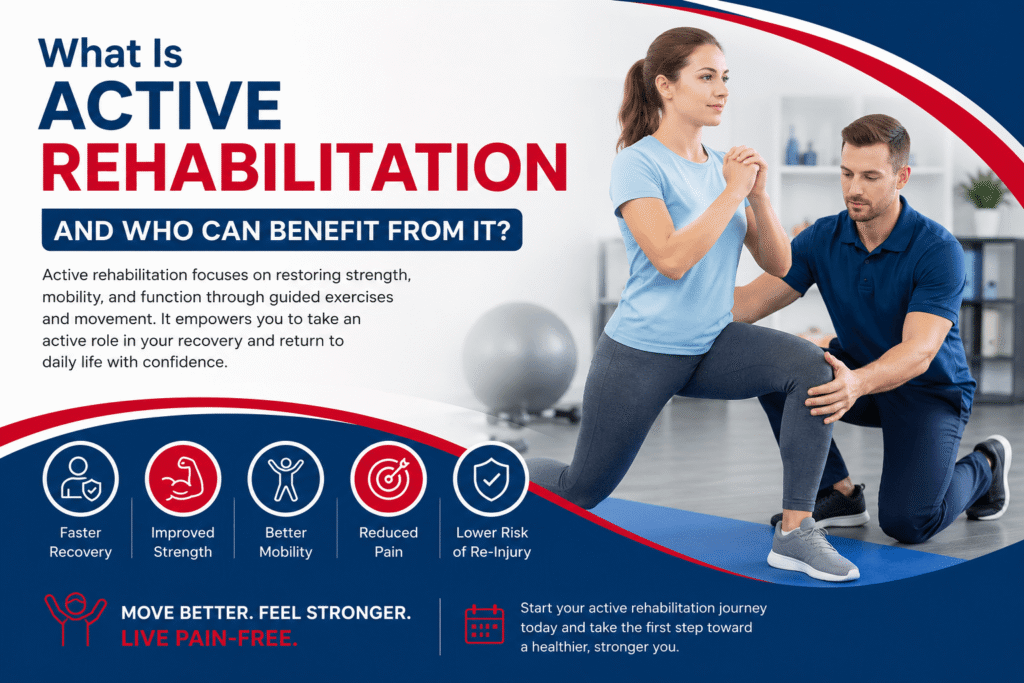
Recovering from an injury or managing long-term pain is about more than simply resting. In many cases, movement is one of the most effective tools for healing. Active rehabilitation focuses on helping individuals regain strength, mobility, flexibility, and confidence through guided exercises and personalized treatment plans. Rather than relying solely on passive treatments, this evidence-based approach empowers patients to play an active role in their recovery. At Lifeline Physio, we believe that every recovery journey is unique. Therefore, our experienced physiotherapists create customized active rehabilitation programs that help patients return to work, sports, and everyday activities safely and efficiently. Whether you’re recovering from surgery, dealing with chronic pain, or healing after an injury, active rehabilitation can help you achieve lasting results. What Is Active Rehabilitation? Active rehabilitation is a physiotherapy-based treatment approach that encourages patients to actively participate in their recovery through structured exercises, movement training, and functional activities. Instead of relying only on treatments like massage or ultrasound, active rehabilitation focuses on improving the body’s natural ability to heal and perform. These programs are carefully designed based on each patient’s condition, goals, and physical abilities. As recovery progresses, exercises are gradually adjusted to improve strength, endurance, balance, and coordination. Unlike passive treatments that provide temporary symptom relief, active rehabilitation addresses the root cause of pain and dysfunction, making recovery more sustainable over time. How Does Active Rehabilitation Work? Active rehabilitation follows a step-by-step process that ensures safe and effective recovery. Comprehensive Assessment First, a physiotherapist evaluates your condition, medical history, pain levels, mobility, strength, posture, and movement patterns. This assessment helps identify the underlying cause of your symptoms. Personalized Exercise Program Next, a customized treatment plan is created to match your recovery goals. Exercises are introduced gradually to improve flexibility, muscle strength, stability, and overall function. Ongoing Progress Monitoring As your condition improves, your physiotherapist regularly adjusts your program. Consequently, your exercises remain challenging enough to promote continuous progress while minimizing the risk of re-injury. Who Can Benefit From Active Rehabilitation? Active rehabilitation is suitable for people of all ages and activity levels. In particular, it benefits individuals recovering from injuries, surgeries, or chronic musculoskeletal conditions. You may benefit from active rehabilitation if you have: Sports injuries Back or neck pain Shoulder, knee, or hip injuries Muscle or ligament strains Joint instability Arthritis Workplace injuries Motor vehicle accident injuries Post-operative recovery needs Balance or mobility challenges Furthermore, active rehabilitation is valuable for individuals who want to improve physical performance, prevent future injuries, or maintain long-term mobility. Key Benefits of Active Rehabilitation Choosing active rehabilitation offers numerous physical and functional advantages. Faster Recovery Regular, guided movement promotes blood circulation, supports tissue healing, and helps restore normal movement patterns. As a result, many patients recover more efficiently than with rest alone. Improved Strength and Mobility Targeted exercises rebuild muscle strength while increasing flexibility and joint mobility. Consequently, everyday activities become easier and less painful. Reduced Pain Strengthening weak muscles and correcting movement patterns often reduces stress on joints and surrounding tissues. Therefore, patients frequently experience long-term pain relief instead of temporary symptom management. Lower Risk of Re-Injury Active rehabilitation teaches proper body mechanics, posture, and movement techniques. In addition, strengthening supportive muscles improves overall stability, reducing the likelihood of future injuries. Greater Independence As patients become stronger and more confident, they can return to work, sports, and daily activities with improved function and less reliance on ongoing treatment. Conditions Commonly Treated with Active Rehabilitation At Lifeline Physio, active rehabilitation is commonly used to manage a wide variety of conditions, including: Lower back pain Neck pain Sciatica Rotator cuff injuries ACL rehabilitation Tennis elbow Plantar fasciitis Frozen shoulder Osteoarthritis Post-fracture rehabilitation Total knee replacement recovery Hip replacement rehabilitation Because every patient heals differently, treatment plans are always tailored to individual recovery goals. Why Choose Lifeline Physio for Active Rehabilitation? Choosing the right physiotherapy clinic plays a significant role in achieving successful outcomes. At Lifeline Physio, our experienced team combines clinical expertise with patient-centered care to deliver personalized rehabilitation programs. Moreover, we focus on education, injury prevention, and long-term wellness rather than simply treating symptoms. Our clinic provides: Comprehensive physiotherapy assessments Individualized active rehabilitation programs Evidence-based treatment techniques One-on-one physiotherapy sessions Ongoing progress evaluations Friendly and supportive care Whether your goal is returning to sports, recovering after surgery, or living pain-free, our team is committed to helping you succeed. Tips to Get the Most from Active Rehabilitation Your commitment plays an important role in recovery. To maximize your results: Attend every scheduled physiotherapy appointment. Complete your home exercise program consistently. Communicate openly about your symptoms. Follow your physiotherapist’s recommendations carefully. Stay patient, as meaningful recovery takes time. Most importantly, consistency leads to better long-term outcomes. Frequently Asked Questions Is active rehabilitation painful? Some exercises may cause mild discomfort as your body adapts. However, your physiotherapist will ensure the program remains safe and appropriate for your condition. How long does active rehabilitation take? Recovery varies depending on the injury, overall health, and treatment goals. While some patients improve within a few weeks, others may require several months of rehabilitation. Can active rehabilitation prevent future injuries? Yes. By improving strength, flexibility, balance, and movement patterns, active rehabilitation helps reduce the risk of recurring injuries. Do I need a referral for physiotherapy? In many cases, you can book an appointment directly with Lifeline Physio without a physician’s referral. However, some insurance providers may require one. Is active rehabilitation suitable for older adults? Absolutely. Active rehabilitation programs are customized for each individual’s abilities, making them effective for seniors who want to improve balance, strength, and independence. Conclusion Active rehabilitation is one of the most effective ways to restore movement, reduce pain, and regain confidence after an injury or surgery. By combining personalized exercise programs with expert physiotherapy guidance, patients can achieve long-term improvements in strength, mobility, and overall quality of life. If you’re ready to recover safely and return to the activities you enjoy, Lifeline Physio is here to help. Visit us at 2920 Kingsview Blvd
Chronic Pain Management Without Medication: How Physiotherapy Can Help
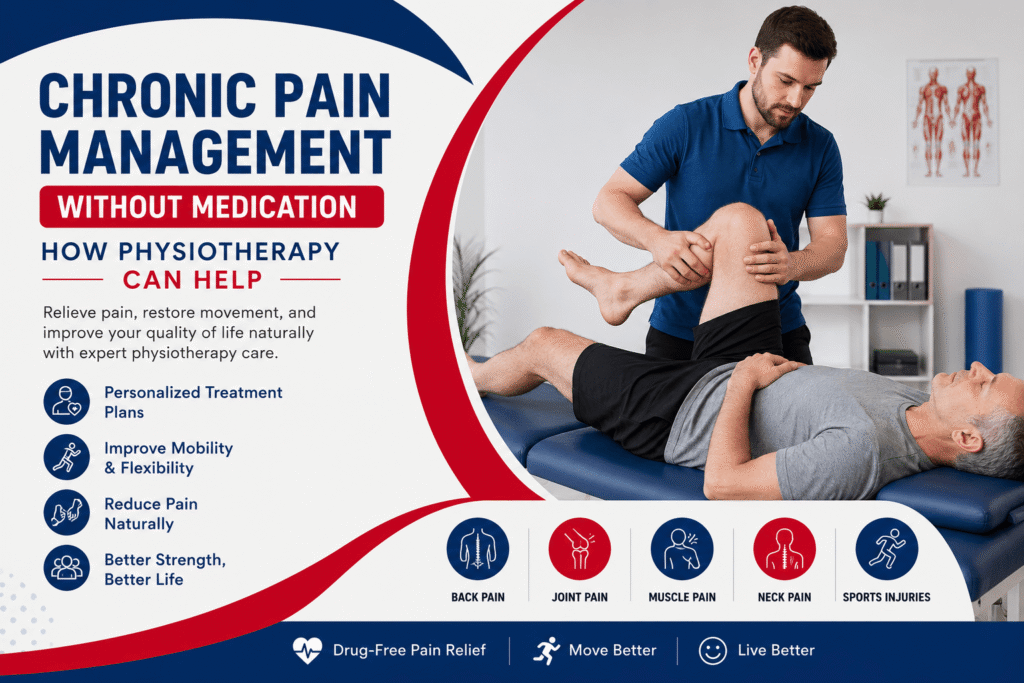
Living with chronic pain can affect every aspect of your life, from work and hobbies to sleep and emotional well-being. While many people rely on medication for temporary relief, it does not always address the underlying cause of pain. Fortunately, chronic pain physiotherapy offers a safe, effective, and long-term solution that focuses on restoring movement, reducing discomfort, and improving your overall quality of life. At Lifeline Physio, our experienced physiotherapists create personalized treatment plans that target the root cause of chronic pain rather than simply masking the symptoms. As a result, patients can enjoy lasting improvements without depending solely on medication. What Is Chronic Pain? Chronic pain is pain that lasts for more than three months, even after the original injury or condition has healed. It may be constant or intermittent, and it can range from mild discomfort to severe pain that interferes with daily activities. Common causes of chronic pain include: Arthritis Back and neck pain Sports injuries Joint degeneration Fibromyalgia Sciatica Repetitive strain injuries Post-surgical pain Although medication may reduce symptoms temporarily, it often fails to improve mobility or prevent recurring pain. Therefore, physiotherapy is becoming an increasingly popular choice for long-term pain management. Why Choose Physiotherapy Instead of Medication? Pain medications can provide short-term relief. However, long-term use may lead to unwanted side effects or dependency. In contrast, physiotherapy focuses on identifying and treating the source of pain while improving physical function. Some key benefits include: Drug-free pain management Improved flexibility and mobility Increased muscle strength Better posture and body mechanics Reduced risk of future injuries Enhanced overall quality of life Most importantly, physiotherapy empowers patients to take an active role in their recovery. How Chronic Pain Physiotherapy Works Every individual experiences pain differently. Therefore, the team at Lifeline Physio begins with a detailed assessment before creating a customized treatment plan. Comprehensive Assessment First, your physiotherapist evaluates your posture, movement patterns, strength, flexibility, medical history, and lifestyle. This thorough assessment helps identify the underlying factors contributing to your pain. Personalized Exercise Programs Next, targeted exercises are prescribed to strengthen weak muscles, improve flexibility, and restore proper movement. Over time, these exercises reduce stress on painful joints and muscles. Manual Therapy Hands-on techniques such as joint mobilization, soft tissue massage, and myofascial release help relieve muscle tension, improve circulation, and reduce pain. In addition, manual therapy supports faster recovery when combined with exercise. Education and Lifestyle Advice Understanding your condition is just as important as treatment. Therefore, your physiotherapist will teach you proper posture, lifting techniques, ergonomic adjustments, and daily habits that help prevent pain from returning. Conditions Physiotherapy Can Help Manage Chronic pain physiotherapy is effective for many long-term conditions, including: Chronic lower back pain Neck and shoulder pain Knee pain Hip pain Arthritis Sciatica Tendinitis Fibromyalgia Chronic headaches Sports-related injuries Regardless of the condition, early treatment often leads to better long-term outcomes. Benefits of Physiotherapy for Chronic Pain Many patients notice significant improvements after following a structured physiotherapy program. Reduced Pain Naturally Rather than masking symptoms, physiotherapy addresses the root cause of discomfort. Consequently, pain gradually decreases over time. Improved Mobility As muscles become stronger and joints move more freely, everyday activities become easier and less painful. Better Strength and Stability Targeted exercises strengthen supporting muscles, which helps reduce stress on joints and prevents future injuries. Faster Recovery Whether recovering from surgery or managing a long-term condition, physiotherapy promotes healing and restores function more efficiently. Improved Mental Well-Being Living with chronic pain can increase stress and anxiety. Fortunately, reduced pain and improved mobility often lead to greater confidence, better sleep, and an improved quality of life. Why Choose Lifeline Physio? Choosing the right physiotherapy clinic makes a significant difference in your recovery journey. At Lifeline Physio, we are committed to delivering compassionate, evidence-based care tailored to every patient. Our experienced physiotherapists focus on long-term results by combining advanced treatment techniques with personalized rehabilitation programs. Our clinic offers: Individualized treatment plans Experienced and licensed physiotherapists Modern treatment techniques Patient-focused care Comfortable clinical environment Ongoing support throughout your recovery Whether you are dealing with arthritis, back pain, sports injuries, or persistent muscle pain, our team is here to help you regain control of your health. Frequently Asked Questions Is physiotherapy effective for chronic pain? Yes. Physiotherapy is one of the most effective non-medication treatments for chronic pain because it addresses the underlying causes while improving strength, mobility, and function. How many physiotherapy sessions will I need? The number of sessions varies depending on your condition, pain severity, and personal recovery goals. Your physiotherapist will develop a treatment plan based on your individual needs. Can physiotherapy replace pain medication? In many cases, physiotherapy can significantly reduce the need for pain medication. However, treatment recommendations should always be discussed with your healthcare provider. Does physiotherapy hurt? Some exercises or manual therapy techniques may cause mild discomfort initially. However, treatment is carefully adjusted to remain safe and manageable throughout your recovery. Who can benefit from chronic pain physiotherapy? Anyone experiencing persistent pain from arthritis, injuries, back pain, neck pain, joint problems, or other musculoskeletal conditions may benefit from physiotherapy. Conclusion Living with chronic pain does not mean you have to rely on medication forever. With the right treatment approach, you can reduce pain, restore movement, and improve your quality of life naturally. Chronic pain physiotherapy focuses on treating the source of your discomfort, helping you move with greater confidence and comfort. If you’re ready to take the next step toward lasting pain relief, Lifeline Physio is here to help. Our experienced team provides personalized physiotherapy treatments designed to support your recovery and long-term well-being. Contact Lifeline Physio today Lifeline Physio 2920 Kingsview Blvd SE #3125 Airdrie, AB T4A 0A9, Canada Phone: +1 (403) 960-0333 Phone: +1 (403) 960-0331 Book your appointment today and discover how professional physiotherapy can help you manage chronic pain naturally and live a healthier, more active life.
Manual Therapy vs. Exercise Therapy: Which Treatment Is Right for You?
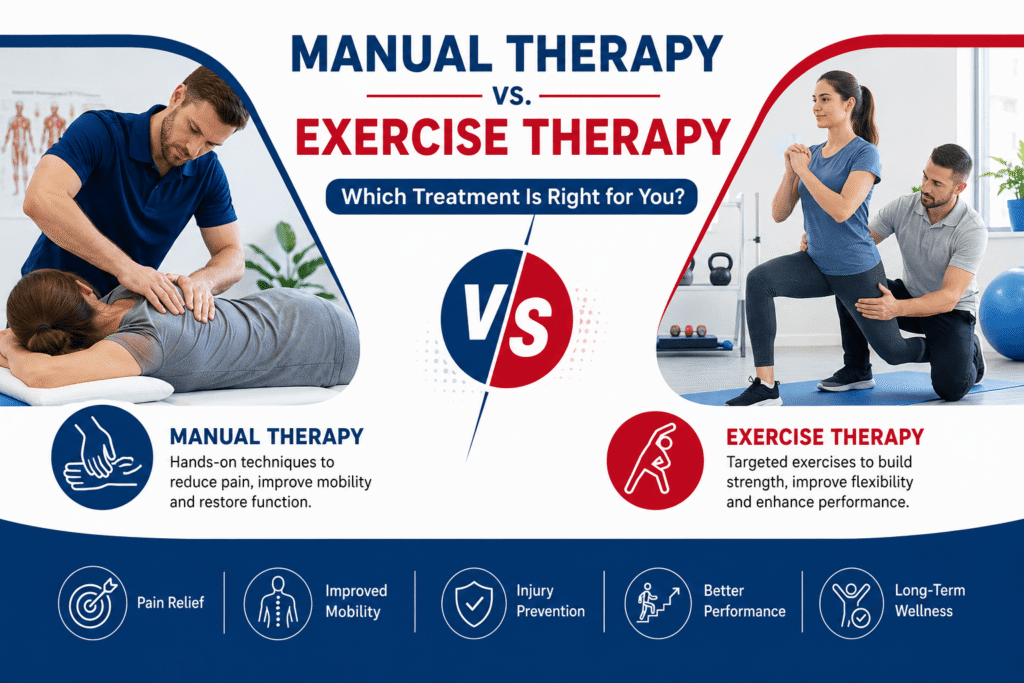
Pain, stiffness, or limited movement can make even simple daily activities difficult. Whether you’re recovering from an injury, managing a chronic condition, or trying to improve mobility, choosing the right physiotherapy treatment is an important step toward recovery. Two of the most common and effective treatment approaches are manual therapy and exercise therapy. At Lifeline Physio, our experienced physiotherapists create personalized treatment plans based on your condition, goals, and lifestyle. Understanding the differences between manual therapy and exercise therapy can help you make an informed decision about your care. What Is Manual Therapy? Manual therapy is a hands-on treatment performed by a qualified physiotherapist. It involves skilled techniques that help reduce pain, improve joint mobility, relax tight muscles, and restore normal movement. Common manual therapy techniques include: Joint mobilization Soft tissue massage Myofascial release Trigger point therapy Muscle stretching Joint manipulation (when appropriate) Manual therapy is often used to provide immediate pain relief while preparing the body for long-term rehabilitation. Benefits of Manual Therapy Manual therapy offers several advantages, including: Reduces pain and muscle tension Improves joint flexibility Restores movement after injury Enhances blood circulation Speeds up the healing process Improves overall mobility Many patients notice improved comfort after just a few sessions, especially when manual therapy is combined with other physiotherapy treatments. What Is Exercise Therapy? Exercise therapy focuses on improving strength, flexibility, endurance, balance, and movement through guided exercises. Unlike manual therapy, which is performed by the therapist, exercise therapy actively involves the patient in the recovery process. Every exercise program at Lifeline Physio is customized according to the patient’s diagnosis, fitness level, and rehabilitation goals. Types of Exercise Therapy Depending on your condition, your physiotherapist may recommend: Strengthening exercises Stretching routines Balance and coordination exercises Core stability training Posture correction exercises Functional movement training Exercise therapy not only treats the current problem but also helps prevent future injuries. Manual Therapy vs Exercise Therapy: Key Differences Although both treatments are highly effective, they serve different purposes. Manual Therapy Passive treatment performed by the physiotherapist Provides faster pain relief Improves joint and soft tissue mobility Ideal during the early stages of recovery Helps reduce muscle tightness Exercise Therapy Active treatment performed by the patient Builds strength and endurance Improves long-term function Prevents recurring injuries Encourages patient independence The best results are often achieved by combining both therapies into one personalized rehabilitation plan. Which Treatment Is Right for You? The right treatment depends on your symptoms, condition, and recovery goals. Manual Therapy May Be Best If You Have: Acute neck or back pain Muscle spasms Joint stiffness Sports injuries Limited range of motion Pain after surgery Exercise Therapy May Be Best If You Need: Long-term injury rehabilitation Improved strength and flexibility Better posture Chronic pain management Sports performance enhancement Injury prevention During your first visit, the physiotherapists at Lifeline Physio perform a comprehensive assessment to determine which treatment approach will provide the best outcomes. Why Lifeline Physio Often Combines Both Treatments Modern physiotherapy rarely relies on just one treatment method. At Lifeline Physio, manual therapy and exercise therapy are frequently used together because they complement each other. For example, manual therapy may first reduce pain and improve joint movement. Once mobility improves, exercise therapy strengthens the muscles that support the affected area, reducing the risk of future injuries. This integrated approach helps patients recover faster while achieving long-lasting results. Conditions Treated with Manual Therapy and Exercise Therapy Both treatment methods are effective for a wide range of conditions, including: Back pain Neck pain Shoulder injuries Knee pain Hip pain Arthritis Sports injuries Sciatica Tendon injuries Post-surgical rehabilitation Workplace injuries Chronic muscle pain Each treatment plan is tailored to meet the individual’s specific needs. Why Choose Lifeline Physio? At Lifeline Physio, patient-centered care is our priority. Our experienced team uses evidence-based techniques to help patients recover safely and effectively. When you visit Lifeline Physio, you can expect: Comprehensive physiotherapy assessments Personalized treatment plans Experienced and licensed physiotherapists Modern rehabilitation techniques Friendly and supportive care Focus on long-term recovery and prevention Our goal is not only to relieve pain but also to restore your confidence and quality of life. Frequently Asked Questions Is manual therapy painful? Most manual therapy techniques are gentle and comfortable. Some patients may experience mild soreness afterward, but this usually disappears within a day or two. Can manual therapy and exercise therapy be used together? Yes. In fact, combining both treatments often produces the best recovery outcomes by reducing pain while improving strength and mobility. How many physiotherapy sessions will I need? The number of sessions depends on your condition, its severity, and your recovery goals. Your physiotherapist will create a personalized treatment plan after your assessment. Is exercise therapy suitable for older adults? Absolutely. Exercise therapy can improve strength, balance, flexibility, and mobility for people of all ages, including seniors. Do I need a doctor’s referral to visit Lifeline Physio? Many patients can book an appointment directly without a referral. However, some insurance providers may have specific requirements. Conclusion When comparing Manual Therapy vs Exercise Therapy, there is no one-size-fits-all answer. Manual therapy is excellent for relieving pain, improving mobility, and restoring joint function, while exercise therapy builds strength, enhances flexibility, and helps prevent future injuries. In many cases, combining both approaches delivers the best long-term results. If you’re unsure which treatment is right for you, the experienced team at Lifeline Physio is here to help. Visit us at 2920 Kingsview Blvd SE #3125, Airdrie, AB T4A 0A9, Canada, or call +1 (403) 960-0333 or +1 (403) 960-0331 to schedule your assessment. Let Lifeline Physio create a personalized treatment plan that helps you move better, feel stronger, and live pain-free.
Concussion Recovery Timeline: What to Expect Week by Week

A concussion may be considered a mild traumatic brain injury, but its effects can significantly impact your daily life. Symptoms such as headaches, dizziness, fatigue, memory problems, and difficulty concentrating can make work, school, and everyday activities challenging. While every person’s recovery is unique, understanding the concussion recovery timeline can help reduce anxiety and set realistic expectations. At Lifeline Physio, we provide evidence-based physiotherapy to help patients recover safely and regain confidence throughout every stage of healing. Whether your concussion resulted from a sports injury, a fall, or a motor vehicle accident, our experienced team is here to guide you through your recovery journey. Understanding the Concussion Recovery Timeline A concussion affects how the brain functions temporarily. Although many people recover within a few weeks, others may experience symptoms that last longer. Factors that influence recovery include: Age Severity of the injury Previous concussions Overall health Following proper recovery guidelines Knowing what to expect week by week can help you recognize normal healing patterns and identify when professional support may be needed. Week 1: Rest and Initial Recovery The first week focuses on allowing the brain to recover from the initial injury. Common Symptoms Headaches Dizziness Nausea Sensitivity to light and noise Fatigue Difficulty concentrating What You Should Do Get plenty of sleep. Avoid strenuous physical activity. Limit screen time if it worsens symptoms. Stay hydrated and eat nutritious meals. Gradually return to light daily activities as tolerated. Complete bed rest is no longer recommended for most people beyond the first 24–48 hours. Gentle movement under professional guidance often supports recovery. Week 2: Gradual Return to Activity By the second week, many individuals begin noticing improvements. What You May Experience Reduced headaches Better concentration Improved energy levels Less dizziness Safe Progression Your healthcare provider may recommend: Light walking Gentle stretching Balance exercises Controlled aerobic activity At Lifeline Physio, our physiotherapists carefully assess your symptoms and design a personalized rehabilitation plan that progresses safely without aggravating your condition. Week 3–4: Building Strength and Confidence Many patients continue making steady progress during weeks three and four. Rehabilitation May Include Vestibular Rehabilitation If dizziness or balance issues remain, vestibular exercises can help retrain your body’s balance system. Neck Treatment Neck stiffness often contributes to headaches after a concussion. Manual therapy and targeted exercises may reduce discomfort. Vision and Balance Exercises Some patients benefit from eye movement and coordination exercises that improve focus and reduce symptoms during daily activities. Many individuals can gradually return to work, school, or sports during this stage, depending on symptom resolution and professional advice. Beyond One Month: When Symptoms Persist While many people recover within two to four weeks, some experience persistent symptoms lasting several months. This is often called Persistent Post-Concussion Symptoms (PPCS). Symptoms May Include Ongoing headaches Brain fog Fatigue Sleep disturbances Anxiety Balance problems Persistent symptoms should never be ignored. Early assessment and rehabilitation often improve recovery outcomes. The experienced team at Lifeline Physio provides individualized treatment plans designed to address long-lasting concussion symptoms and help patients safely return to normal life. Factors That Affect Your Recovery Every concussion recovery timeline is different. Recovery may take longer if you have: Multiple previous concussions Migraines Anxiety or depression Poor sleep quality Returning to activity too quickly Following professional advice and avoiding premature return to sports or physically demanding work can reduce the risk of setbacks. How Physiotherapy Supports Concussion Recovery Physiotherapy plays a vital role in managing concussion symptoms and improving recovery. At Lifeline Physio, treatment may include: Comprehensive concussion assessments Vestibular rehabilitation Balance training Cervical spine treatment Guided exercise therapy Return-to-sport planning Education for safe recovery Our evidence-based approach ensures each patient receives care tailored to their symptoms, goals, and recovery stage. Tips for a Faster Recovery Although there’s no instant cure, these habits may support healing: Follow your healthcare provider’s recommendations. Get consistent, quality sleep. Stay hydrated. Eat a balanced diet. Avoid alcohol during recovery. Gradually increase activity levels. Attend all physiotherapy appointments. Avoid returning to sports until medically cleared. Consistency is one of the most important factors in successful concussion rehabilitation. When Should You Seek Professional Help? Contact a healthcare professional if: Symptoms worsen instead of improving. Headaches become severe. Balance problems continue. Memory issues interfere with daily life. Symptoms persist beyond two to four weeks. Early intervention often leads to better recovery outcomes and reduces the risk of long-term complications. Frequently Asked Questions How long does the average concussion recovery timeline last? Most adults recover within two to four weeks, although some individuals require several months depending on the severity of symptoms and personal health factors. Can physiotherapy help after a concussion? Yes. Physiotherapy can improve dizziness, headaches, neck pain, balance issues, and safely guide your return to daily activities and sports. Is complete rest the best treatment for a concussion? Only during the first 24–48 hours. After that, gradual, symptom-guided activity is generally recommended under professional supervision. When can I return to sports after a concussion? Return only after your symptoms have completely resolved and you’ve been cleared by a qualified healthcare professional following a structured return-to-play protocol. What if my symptoms last longer than one month? Persistent symptoms should be evaluated by a healthcare provider. Specialized concussion rehabilitation at Lifeline Physio can help address ongoing issues and support recovery. Conclusion Understanding the concussion recovery timeline can help you approach healing with realistic expectations and confidence. While many people recover within a few weeks, others may require additional rehabilitation to fully regain their health. Receiving the right treatment at the right time can make a significant difference in your recovery journey. At Lifeline Physio, we are committed to helping patients recover safely through personalized, evidence-based concussion rehabilitation programs. If you or a loved one is recovering from a concussion, contact us today to schedule an assessment. Lifeline Physio 2920 Kingsview Blvd SE #3125 Airdrie, AB T4A 0A9, Canada Phone: +1 (403) 960-0333 Phone: +1 (403) 960-0331 Take the first step toward a safe, confident recovery with the expert team at Lifeline
Common Causes of Shoulder Pain and How Physiotherapy Can Help

Shoulder pain is one of the most common musculoskeletal problems affecting people of all ages. Whether it develops after a sports injury, repetitive work, poor posture, or simply wear and tear over time, shoulder pain can make everyday activities like reaching, lifting, driving, or even sleeping uncomfortable. Ignoring the problem may lead to reduced mobility and chronic discomfort. The good news is that shoulder pain physiotherapy is a safe, effective, and non-invasive treatment option that addresses the root cause of your pain instead of simply masking the symptoms. At Lifeline Physio, our experienced physiotherapists create personalized treatment plans to help patients recover faster, improve shoulder function, and prevent future injuries. Understanding Shoulder Pain The shoulder is one of the body’s most flexible joints, allowing a wide range of motion. However, this flexibility also makes it more vulnerable to injuries and conditions affecting muscles, tendons, ligaments, and joints. Shoulder pain may develop suddenly after an injury or gradually due to repetitive movements or age-related changes. Identifying the underlying cause is essential for effective treatment. Common Causes of Shoulder Pain Rotator Cuff Injuries The rotator cuff is a group of muscles and tendons that stabilize the shoulder joint. Overuse, repetitive overhead activities, or sudden trauma can cause inflammation, strains, or tears. Common symptoms include: Pain while lifting the arm Weakness in the shoulder Difficulty sleeping on the affected side Reduced range of motion Frozen Shoulder (Adhesive Capsulitis) Frozen shoulder causes stiffness, pain, and gradually decreasing movement in the shoulder joint. It often develops after prolonged inactivity following surgery or an injury. Without proper treatment, recovery may take months or even years. Shoulder Impingement Syndrome Shoulder impingement occurs when the tendons become compressed between the shoulder bones during movement. It commonly affects athletes and people whose jobs require frequent overhead lifting. Symptoms include: Pain when reaching overhead Weakness Limited movement Pain during daily activities Shoulder Bursitis Bursae are small fluid-filled sacs that reduce friction between tissues. When these sacs become inflamed, they cause shoulder bursitis, leading to pain and swelling. Bursitis often develops due to repetitive motion or prolonged pressure on the shoulder. Arthritis Osteoarthritis and rheumatoid arthritis can affect the shoulder joint, causing pain, stiffness, and decreased mobility. Arthritis-related shoulder pain usually develops gradually and may worsen with age. Tendinitis Shoulder tendinitis occurs when tendons become inflamed due to repetitive movements, overuse, or aging. It commonly affects individuals involved in sports, construction, or manual labor. How Shoulder Pain Physiotherapy Can Help Physiotherapy focuses on identifying and treating the root cause of shoulder pain while improving strength, flexibility, and overall joint function. At Lifeline Physio, every treatment plan begins with a detailed assessment to understand your condition, lifestyle, and recovery goals. Comprehensive Assessment Our physiotherapists evaluate: Shoulder mobility Muscle strength Joint stability Pain triggers Functional movement patterns This thorough assessment helps determine the most effective treatment approach. Personalized Exercise Programs Targeted exercises help: Strengthen shoulder muscles Improve flexibility Restore range of motion Reduce stiffness Prevent future injuries Exercises are carefully progressed as healing improves. Manual Therapy Hands-on treatment techniques may include: Joint mobilization Soft tissue massage Trigger point therapy Stretching techniques These therapies help reduce pain, improve movement, and accelerate recovery. Posture Correction Poor posture places unnecessary stress on the shoulder joint. Physiotherapists teach proper posture and ergonomic techniques for work, sports, and daily activities to reduce strain and prevent recurring pain. Pain Management Depending on your condition, your physiotherapist may incorporate additional techniques such as: Therapeutic ultrasound Electrical stimulation Heat therapy Cold therapy Taping techniques These treatments help reduce inflammation and promote healing. Benefits of Choosing Physiotherapy for Shoulder Pain Choosing shoulder pain physiotherapy offers several long-term benefits: Reduces pain naturally without relying on medication Restores normal shoulder movement Improves strength and stability Speeds up recovery after injury Prevents future shoulder problems Improves overall quality of life At Lifeline Physio, our goal is not just temporary pain relief but long-term recovery and improved function. When Should You See a Physiotherapist? You should seek professional assessment if your shoulder pain: Lasts longer than one week Becomes progressively worse Limits daily activities Causes weakness or numbness Prevents lifting your arm Occurs after a fall or injury Early treatment often leads to faster recovery and reduces the risk of chronic pain. Why Choose Lifeline Physio? At Lifeline Physio, we are committed to providing evidence-based physiotherapy care tailored to each patient’s needs. Our experienced team focuses on identifying the underlying cause of shoulder pain and developing personalized rehabilitation programs that deliver lasting results. Whether you’re recovering from an injury, managing arthritis, or dealing with chronic shoulder discomfort, we’re here to support your recovery every step of the way. Visit us at: Lifeline Physio 2920 Kingsview Blvd SE #3125 Airdrie, AB T4A 0A9 Canada Phone: +1 (403) 960-0333 Alternate Phone: +1 (403) 960-0331 Frequently Asked Questions Can physiotherapy completely relieve shoulder pain? In many cases, yes. Physiotherapy can significantly reduce or eliminate shoulder pain by treating its underlying cause, improving strength, and restoring normal movement. How many physiotherapy sessions will I need? The number of sessions depends on your condition, severity, and recovery goals. Many patients notice improvement within a few visits, while more complex injuries may require ongoing rehabilitation. Is physiotherapy better than pain medication? Pain medication may temporarily reduce symptoms, but physiotherapy addresses the root cause of shoulder pain and helps prevent future problems through rehabilitation and strengthening. Can I continue exercising with shoulder pain? It depends on the cause of your pain. A physiotherapist can recommend safe exercises while helping you avoid movements that may worsen your condition. Conclusion Shoulder pain can interfere with work, sports, and everyday life, but effective treatment is available. With professional shoulder pain physiotherapy, you can reduce pain, regain mobility, strengthen your shoulder, and prevent future injuries. If you’re experiencing shoulder discomfort, don’t wait for the pain to worsen. Contact Lifeline Physio today to schedule a comprehensive assessment. Our experienced physiotherapists are dedicated to helping you recover safely, restore full function, and get back to doing the activities
Vestibular Physiotherapy for Vertigo: Symptoms, Treatment, and Recovery

Feeling as though the room is spinning when you’re standing still can be unsettling and disruptive. Vertigo affects balance, confidence, and everyday activities, making even simple movements challenging. Fortunately, effective treatment is available. Vestibular physiotherapy for vertigo is a proven, non-invasive approach that helps restore balance, reduce dizziness, and improve quality of life. At Lifeline Physio, our experienced physiotherapists provide personalized vestibular rehabilitation programs designed to identify the root cause of dizziness and support long-term recovery. Whether your symptoms began suddenly or have developed gradually, early treatment can help you regain stability and confidence. What Is Vertigo? Vertigo is a sensation of movement or spinning that occurs even when your body is still. Rather than being a disease itself, vertigo is usually a symptom of a disorder affecting the vestibular system, which is responsible for maintaining balance. Many people with vertigo experience episodes lasting from a few seconds to several hours, depending on the underlying condition. Because balance relies on communication between the inner ear, eyes, muscles, and brain, disruption in any of these systems can trigger dizziness. Common Symptoms of Vertigo Symptoms vary from person to person, but commonly include: A spinning or swaying sensation Feeling unsteady while walking Loss of balance Dizziness with head movement Nausea or vomiting Difficulty focusing the eyes Increased risk of falls If these symptoms occur repeatedly or interfere with daily activities, seeking professional assessment is important. Common Causes of Vertigo Several conditions can affect the vestibular system, including: Benign Paroxysmal Positional Vertigo (BPPV) One of the most common causes of vertigo, BPPV occurs when tiny calcium crystals move into the wrong part of the inner ear, causing brief episodes of dizziness during head movements. Vestibular Neuritis Inflammation of the vestibular nerve can interfere with balance signals sent to the brain, often leading to sudden and intense dizziness. Labyrinthitis This inner ear infection affects both hearing and balance, causing vertigo along with hearing-related symptoms. Other Contributing Factors Vertigo may also be associated with: Head injuries Migraines Age-related balance changes Meniere’s disease Certain neurological conditions A detailed assessment helps determine the most appropriate treatment approach. What Is Vestibular Physiotherapy? Vestibular physiotherapy for vertigo is a specialized form of rehabilitation that improves balance and reduces dizziness by retraining the body’s balance system. Rather than simply treating symptoms, vestibular physiotherapy addresses the underlying dysfunction. Treatment is tailored to each individual’s condition, symptoms, and recovery goals. At Lifeline Physio, every rehabilitation plan begins with a comprehensive evaluation to understand how your vestibular system is functioning before creating a personalized treatment program. How Vestibular Physiotherapy Helps Depending on the diagnosis, your physiotherapist may include several evidence-based techniques. Canalith Repositioning For people with BPPV, specific repositioning maneuvers help guide displaced crystals back to their correct location within the inner ear, often providing rapid symptom relief. Balance Retraining Exercises These exercises improve coordination, posture, and stability while reducing the risk of falls. Gaze Stabilization Exercises Special eye and head movement exercises help improve vision during movement and reduce dizziness. Habituation Exercises Repeated exposure to movements that trigger mild symptoms gradually teaches the brain to become less sensitive, reducing dizziness over time. What to Expect During Recovery Recovery varies depending on the underlying condition, symptom severity, and overall health. Many patients notice improvement within a few treatment sessions, while others with more complex vestibular disorders may require several weeks of rehabilitation. Following your customized home exercise program and attending scheduled appointments are essential for achieving the best outcomes. At Lifeline Physio, we monitor your progress closely and adjust your treatment plan as your balance improves. Benefits of Vestibular Physiotherapy Receiving professional vestibular rehabilitation can provide numerous advantages, including: Reduced dizziness Improved balance and coordination Better confidence during walking and daily activities Lower risk of falls Enhanced mobility Faster recovery after vestibular disorders Improved overall quality of life With expert guidance and consistent treatment, many people experience significant improvement without medication or surgery. When Should You Seek Treatment? You should consider booking an assessment if you experience: Frequent dizziness Persistent balance problems Recurrent vertigo episodes Falls caused by instability Difficulty walking confidently Dizziness that affects work or daily activities Early diagnosis and treatment often lead to quicker recovery and better long-term results. Why Choose Lifeline Physio? At Lifeline Physio, we understand how frustrating dizziness and balance disorders can be. Our skilled physiotherapists use evidence-based vestibular rehabilitation techniques to create personalized treatment plans focused on long-term recovery rather than temporary symptom relief. We proudly serve the Airdrie community with compassionate care in a welcoming clinical environment, helping patients return to their normal activities safely and confidently. Lifeline Physio 2920 Kingsview Blvd SE #3125 Airdrie, AB T4A 0A9 Canada Phone: +1 (403) 960-0333 +1 (403) 960-0331 Frequently Asked Questions Is vestibular physiotherapy effective for vertigo? Yes. Vestibular physiotherapy is supported by clinical evidence and is highly effective for many causes of vertigo, particularly BPPV and other vestibular disorders. How many sessions will I need? Treatment varies by individual. Some patients improve after one or two visits, while others benefit from several weeks of rehabilitation. Can vertigo return after treatment? Some conditions can recur. However, learning appropriate exercises and receiving prompt treatment can help manage future episodes effectively. Is vestibular physiotherapy painful? Treatment is generally gentle and safe. Certain exercises may briefly reproduce dizziness, but this is often a normal part of the rehabilitation process. Do I need a doctor’s referral? In many cases, you can schedule an appointment directly with Lifeline Physio. If necessary, our team can also work alongside your physician to coordinate your care. Conclusion Living with vertigo can make everyday activities difficult, but effective treatment is available. Vestibular physiotherapy for vertigo focuses on identifying the underlying cause of dizziness, improving balance, and helping you regain confidence through personalized rehabilitation. If dizziness or balance problems are affecting your daily life, don’t wait for symptoms to worsen. Contact Lifeline Physio today to schedule a comprehensive vestibular assessment and begin your journey toward improved balance, greater confidence, and lasting recovery.