
Custom Orthotics vs. Store-Bought Insoles: Which Is Better?

Foot pain can affect every part of your daily life, from walking and exercising to standing at work. Many people turn to shoe inserts for relief, but one common question remains: Custom Orthotics vs. Store-Bought Insoles—which is the better choice? While both options are designed to improve comfort and support, they serve different purposes and deliver different results. At Lifeline Physio, we help patients find the most effective solution for their foot pain, posture, and mobility concerns. Understanding the differences between custom orthotics and over-the-counter insoles can help you make an informed decision that benefits your long-term health. Understanding Custom Orthotics and Store-Bought Insoles Although both products fit inside your shoes, they are not the same. What Are Custom Orthotics? Custom orthotics are medical-grade inserts specifically designed to match the unique shape and biomechanics of your feet. They are created after a professional assessment, which evaluates your walking pattern, posture, foot structure, and any existing medical conditions. Custom orthotics are commonly recommended for people experiencing: Chronic foot pain Plantar fasciitis Flat feet High arches Heel pain Knee, hip, or lower back pain related to foot alignment Diabetes-related foot concerns Because they are tailored to your individual needs, they provide targeted support and help correct abnormal movement patterns. What Are Store-Bought Insoles? Store-bought insoles are pre-made shoe inserts available at pharmacies, sports stores, and supermarkets. They are designed to offer general cushioning and comfort rather than correcting specific biomechanical problems. These insoles can be helpful for: Mild foot fatigue Temporary discomfort Additional cushioning during daily activities Short-term support However, they are manufactured in standard sizes and cannot address individual foot mechanics. Custom Orthotics vs. Store-Bought Insoles: Key Differences Choosing between these two options depends on your symptoms, lifestyle, and overall foot health. Personalized Fit Custom orthotics are made specifically for your feet, providing precise support where you need it most. Store-bought insoles use a one-size-fits-most approach, which may not provide adequate support for people with structural foot problems. Pain Relief If you have ongoing foot pain or conditions affecting your joints and posture, custom orthotics are generally more effective because they address the underlying cause rather than simply cushioning the foot. Store-bought insoles may reduce discomfort temporarily but usually do not correct alignment issues. Durability Custom orthotics are built with high-quality materials and can often last several years with proper care. Store-bought insoles typically wear out within a few months, especially with frequent use. Cost Store-bought insoles are less expensive upfront, making them attractive for occasional use. Custom orthotics require a higher initial investment, but their durability and ability to reduce chronic pain often make them more cost-effective over time. Benefits of Custom Orthotics Many people experience significant improvements after switching to custom orthotics. Some of the key benefits include: Improved foot alignment Reduced heel and arch pain Better posture Increased walking comfort Reduced strain on knees, hips, and lower back Enhanced athletic performance Lower risk of recurring injuries At Lifeline Physio, custom orthotics are often recommended as part of a comprehensive physiotherapy treatment plan that addresses both symptoms and their underlying causes. When Store-Bought Insoles May Be Enough Not everyone requires custom orthotics. Store-bought insoles may be suitable if you: Experience occasional foot fatigue Need extra cushioning for work shoes Want temporary relief after increased activity Do not have diagnosed foot or gait abnormalities If your symptoms persist despite using over-the-counter inserts, it’s time to seek professional assessment. How Lifeline Physio Helps You Choose the Right Solution Selecting the right footwear support begins with understanding your body. At Lifeline Physio, our physiotherapists perform detailed biomechanical assessments to determine whether custom orthotics are appropriate for your condition. We examine: Walking and Running Mechanics We assess how your feet move during each step to identify abnormal movement patterns. Foot Structure Every foot is different. We evaluate arch height, pressure distribution, and alignment. Overall Body Alignment Foot problems often contribute to pain in the ankles, knees, hips, and lower back. Our assessment considers your entire body, not just your feet. By combining physiotherapy with personalized treatment recommendations, we help improve mobility, reduce pain, and support long-term recovery. Who Should Consider Custom Orthotics? Custom orthotics are often recommended for individuals who: Experience chronic foot or heel pain Have flat feet or high arches Participate in sports regularly Stand for long hours at work Have arthritis affecting the feet Recover from foot or lower limb injuries Experience recurring knee, hip, or back pain related to foot alignment Early intervention can prevent minor problems from becoming more serious over time. Frequently Asked Questions Are custom orthotics worth the investment? Yes. For individuals with chronic pain, abnormal foot mechanics, or recurring injuries, custom orthotics often provide lasting relief and improve overall mobility. Can store-bought insoles replace custom orthotics? No. Store-bought insoles provide general cushioning but cannot offer the personalized support and biomechanical correction of custom orthotics. How long do custom orthotics last? With proper care, high-quality custom orthotics can last between two and five years, depending on usage and materials. Do I need physiotherapy with custom orthotics? In many cases, yes. Physiotherapy addresses muscle strength, flexibility, movement patterns, and posture, while orthotics provide structural support. Together, they often produce better long-term results. How do I know which option is right for me? A professional assessment is the most reliable way to determine whether your symptoms require custom orthotics or if store-bought insoles are sufficient. Conclusion When comparing Custom Orthotics vs. Store-Bought Insoles, the best choice depends on your individual needs. Store-bought insoles can provide temporary comfort for mild discomfort, but custom orthotics deliver personalized support that addresses the root cause of chronic pain and biomechanical issues. If you’re dealing with persistent foot pain, heel discomfort, or alignment problems, the experienced team at Lifeline Physio is here to help. We provide comprehensive assessments and personalized treatment plans designed to improve your mobility and overall quality of life. Contact Lifeline Physio today to schedule an assessment. Lifeline Physio 2920 Kingsview Blvd SE #3125 Airdrie, AB T4A 0A9, Canada
Pelvic Floor Physiotherapy for Women: Signs, Benefits, and When to Seek Treatment

Pelvic health plays a vital role in every woman’s overall well-being, yet it is often overlooked or misunderstood. Many women silently experience issues such as bladder leaks, pelvic pain, or discomfort after pregnancy, believing these symptoms are a normal part of life. The truth is that these conditions are common—but they are not something you simply have to live with. Pelvic floor physiotherapy for women is a safe, non-invasive, and highly effective treatment that helps restore strength, function, and confidence. At Lifeline Physio, our experienced physiotherapists provide personalized care to help women overcome pelvic floor dysfunction and improve their quality of life. Whether you are recovering from childbirth, dealing with urinary incontinence, or experiencing chronic pelvic discomfort, early treatment can make a significant difference. What Is Pelvic Floor Physiotherapy? Pelvic floor physiotherapy is a specialized branch of physiotherapy that focuses on assessing and treating the muscles, ligaments, and connective tissues that support the bladder, uterus, and bowel. The pelvic floor muscles play an essential role in: Supporting pelvic organs Controlling bladder and bowel function Maintaining core stability Supporting healthy sexual function Assisting during pregnancy and postpartum recovery When these muscles become weak, tight, or uncoordinated, they can lead to various symptoms that affect everyday life. Common Signs You May Need Pelvic Floor Physiotherapy Many women are unaware that their symptoms may be related to pelvic floor dysfunction. If you experience any of the following, it may be time to seek professional assessment. Urinary Incontinence Leaking urine while coughing, sneezing, laughing, exercising, or lifting objects is one of the most common signs of pelvic floor weakness. Frequent Urge to Urinate Feeling a constant or sudden urge to urinate, even when your bladder is not full, may indicate pelvic floor dysfunction. Pelvic Pain Persistent pain in the pelvis, lower abdomen, hips, or tailbone should never be ignored. Pelvic floor muscle tension is often a contributing factor. Pain During Intercourse Discomfort or pain during intimacy may result from overly tight or dysfunctional pelvic floor muscles. Pregnancy and Postpartum Recovery Pregnancy and childbirth place significant stress on the pelvic floor. Physiotherapy can help restore muscle strength and function after delivery. Pelvic Organ Prolapse Symptoms A feeling of heaviness, pressure, or a bulging sensation in the vaginal area may indicate pelvic organ prolapse and should be professionally assessed. Benefits of Pelvic Floor Physiotherapy for Women Seeking treatment early offers both immediate relief and long-term health benefits. Improved Bladder Control Strengthening the pelvic floor muscles helps reduce or eliminate urinary leakage and improves bladder function. Reduced Pelvic Pain Manual therapy, relaxation techniques, and targeted exercises help relieve muscle tension and decrease chronic pain. Faster Postpartum Recovery Pelvic floor rehabilitation supports healing after childbirth, helping women safely return to normal daily activities and exercise. Better Core Stability The pelvic floor works together with the abdominal and back muscles to provide core support, improving posture and reducing lower back pain. Enhanced Sexual Health Improving muscle coordination and flexibility can reduce discomfort and improve overall sexual function. Increased Confidence and Quality of Life Women often regain confidence knowing they can participate in work, exercise, travel, and social activities without worrying about symptoms. What Happens During a Pelvic Floor Physiotherapy Appointment? At Lifeline Physio, every treatment plan begins with a comprehensive assessment tailored to your individual needs. Your appointment may include: Discussion of your symptoms and medical history Assessment of posture, breathing, and movement Evaluation of pelvic floor muscle function (performed only with your informed consent) Education about your condition Personalized exercise program Manual therapy techniques when appropriate Lifestyle and bladder health advice Every treatment is provided in a respectful, private, and supportive environment where your comfort is the priority. Who Can Benefit from Pelvic Floor Physiotherapy? Pelvic floor physiotherapy is beneficial for women of all ages, including those who are: Pregnant Recovering after childbirth Experiencing urinary or bowel leakage Living with chronic pelvic pain Entering menopause Recovering after gynecological surgery Returning to sports or physical activity Early intervention often leads to faster recovery and better long-term outcomes. When Should You Seek Treatment? Many women wait months—or even years—before asking for help. However, early treatment often prevents symptoms from worsening. You should consider scheduling an assessment if you: Experience bladder leakage regularly Feel pelvic heaviness or pressure Have ongoing pelvic or lower back pain Notice pain during intimacy Are recovering after pregnancy or childbirth Have difficulty controlling bowel movements Want to safely return to exercise after delivery Ignoring these symptoms may allow the condition to progress, making recovery more challenging. Why Choose Lifeline Physio? At Lifeline Physio, we understand that discussing pelvic health can feel uncomfortable. Our compassionate physiotherapists provide confidential, evidence-based care in a welcoming environment. We focus on: Individualized treatment plans Modern physiotherapy techniques Patient education and empowerment Comfortable and respectful care Long-term recovery and prevention Our goal is to help every woman regain confidence, reduce pain, and improve her overall quality of life. Frequently Asked Questions Is pelvic floor physiotherapy painful? Most treatments are gentle and comfortable. Your physiotherapist will explain every step and ensure your comfort throughout the session. How many sessions will I need? The number of sessions varies depending on your symptoms, condition, and recovery goals. Many women notice improvement within a few visits while continuing exercises at home. Can pelvic floor physiotherapy help after childbirth? Yes. It is one of the most effective ways to restore pelvic floor strength, reduce discomfort, and improve bladder control after pregnancy and delivery. Do I need a doctor’s referral? In most cases, you can book an appointment directly with Lifeline Physio without a referral. However, insurance providers may have different requirements. Can pelvic floor physiotherapy prevent future problems? Yes. Strengthening and properly training the pelvic floor can help reduce the risk of future incontinence, pelvic pain, and prolapse. Conclusion Pelvic floor dysfunction is common, but it should never be accepted as a normal part of life. Whether you’re experiencing bladder leakage, pelvic pain, postpartum changes, or other symptoms, pelvic floor physiotherapy for women offers a safe,
How Physiotherapy Helps You Recover Faster Without Surgery
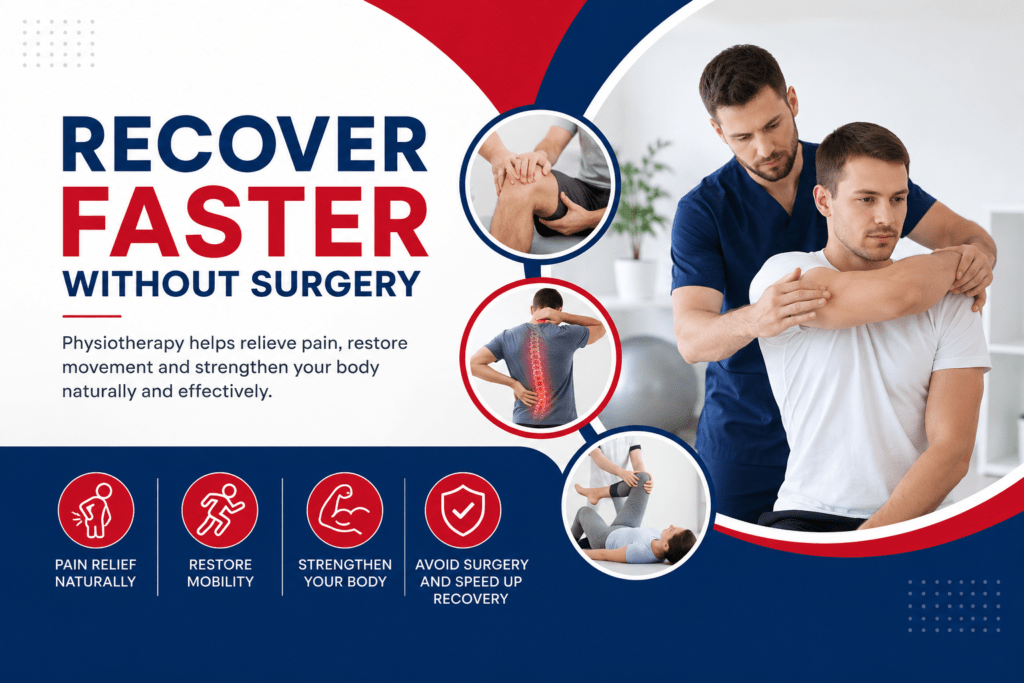
Recovering from pain or an injury doesn’t always mean undergoing surgery. In many cases, the right physiotherapy treatment can help restore movement, reduce pain, and improve strength naturally. Whether you’re dealing with a sports injury, chronic back pain, arthritis, or post-accident discomfort, physiotherapy offers an effective, non-invasive path to recovery. At Lifeline Physio, we believe that every patient deserves personalized care that focuses on long-term healing rather than temporary relief. Our experienced physiotherapists create customized treatment plans designed to help you recover safely and return to your daily activities with confidence. Why Choose Physiotherapy Before Surgery? Surgery is sometimes necessary, but it also comes with risks such as infection, long recovery periods, and higher medical costs. In many situations, conservative treatment through physiotherapy can significantly improve symptoms and eliminate the need for surgery altogether. Some common conditions that often respond well to physiotherapy include: Back and neck pain Shoulder injuries Knee pain Sports injuries Arthritis Tendon and ligament injuries Muscle strains Joint stiffness Early physiotherapy intervention often leads to quicker recovery and better long-term outcomes. How Physiotherapy Speeds Up Recovery Reduces Pain Naturally One of the primary goals of physiotherapy is pain management without relying heavily on medication. Physiotherapists use evidence-based techniques such as manual therapy, therapeutic exercises, stretching, and soft tissue mobilization to relieve pain naturally. By treating the underlying cause rather than simply masking symptoms, patients experience lasting relief. Restores Mobility and Flexibility Pain and injury often limit your ability to move comfortably. Physiotherapy focuses on restoring normal joint movement and improving muscle flexibility through targeted exercises and hands-on treatment. Improved mobility allows patients to return to work, sports, and everyday activities much sooner. Strengthens Muscles and Joints Weak muscles place additional stress on joints, increasing the risk of further injury. A customized strengthening program helps stabilize the affected area while improving balance, coordination, and overall function. At Lifeline Physio, each exercise program is tailored to your condition, fitness level, and recovery goals. Conditions That Can Improve Without Surgery Many orthopedic and musculoskeletal problems respond extremely well to conservative physiotherapy treatment. Back and Neck Pain Poor posture, muscle imbalances, and disc-related issues often improve through posture correction, spinal mobility exercises, and core strengthening. Sports Injuries Athletes frequently experience sprains, strains, tendon injuries, and overuse conditions. Physiotherapy helps reduce inflammation, restore movement, and safely return athletes to peak performance. Arthritis Although arthritis cannot be cured, physiotherapy significantly reduces stiffness, improves joint function, and helps patients remain active with less discomfort. Knee and Shoulder Problems Conditions like rotator cuff injuries, frozen shoulder, patellofemoral pain syndrome, and ligament injuries often respond well to structured rehabilitation programs before surgery becomes necessary. Benefits of Choosing Physiotherapy Without Surgery Patients who choose physiotherapy as a first-line treatment often experience several important benefits: Faster recovery with personalized treatment Reduced pain without excessive medication Lower healthcare costs compared to surgery Improved mobility and flexibility Stronger muscles and joints Reduced risk of future injuries Minimal downtime Better overall quality of life These benefits make physiotherapy an excellent option for individuals looking for safe and effective recovery. What to Expect During Your Physiotherapy Journey At Lifeline Physio, your treatment begins with a comprehensive assessment to understand your symptoms, medical history, movement patterns, and recovery goals. Personalized Assessment Your physiotherapist evaluates: Pain levels Range of motion Muscle strength Balance and posture Functional movement Customized Treatment Plan Based on the assessment, your treatment may include: Manual therapy Therapeutic exercises Stretching techniques Posture correction Mobility training Balance exercises Home exercise program Education for injury prevention Every session is designed to promote healing while preventing future complications. Why Early Physiotherapy Matters Waiting too long to seek treatment can allow injuries to worsen, making recovery more difficult and increasing the likelihood of surgery. Early physiotherapy helps: Reduce inflammation quickly Prevent muscle weakness Maintain joint mobility Promote faster tissue healing Improve long-term recovery outcomes Seeking professional care as soon as symptoms appear often leads to shorter recovery times and better overall results. Why Choose Lifeline Physio? At Lifeline Physio, patient-centered care is at the heart of everything we do. Our experienced physiotherapists use evidence-based techniques combined with personalized treatment plans to help patients recover safely and efficiently. Whether you’re recovering from an injury, managing chronic pain, or trying to avoid surgery, our dedicated team is committed to helping you achieve lasting results. Lifeline Physio 2920 Kingsview Blvd SE #3125 Airdrie, AB T4A 0A9 Canada Phone: +1 (403) 960-0333 +1 (403) 960-0331 Frequently Asked Questions Can physiotherapy completely replace surgery? In many cases, yes. Conditions such as muscle injuries, ligament sprains, back pain, and joint problems often improve significantly through physiotherapy. However, severe structural damage may still require surgical intervention. How long does physiotherapy take to show results? Many patients notice improvement within a few sessions, although recovery time depends on the severity of the condition, overall health, and consistency with treatment. Is physiotherapy painful? Most physiotherapy treatments are gentle and designed to reduce pain. Some exercises may cause mild discomfort initially, but they should not result in severe pain. Can physiotherapy help after surgery? Yes. Physiotherapy plays an important role in post-surgical rehabilitation by restoring strength, mobility, and function while helping prevent complications. Do I need a referral to visit Lifeline Physio? In many cases, you can book an appointment directly without a physician’s referral. However, some insurance providers may require one, so it’s best to check your policy. Conclusion Choosing physiotherapy without surgery can be one of the most effective decisions for managing pain, recovering from injuries, and improving your overall mobility. Through personalized treatment, targeted exercises, and expert guidance, physiotherapy addresses the root cause of pain while helping you heal naturally and regain confidence in your movement. If you’re looking for trusted, professional physiotherapy care in Airdrie, the team at Lifeline Physio is here to help. Contact us today to schedule your assessment and take the first step toward a faster, healthier recovery without surgery.
What Does a Physiotherapist Do? A Complete Beginner’s Guide
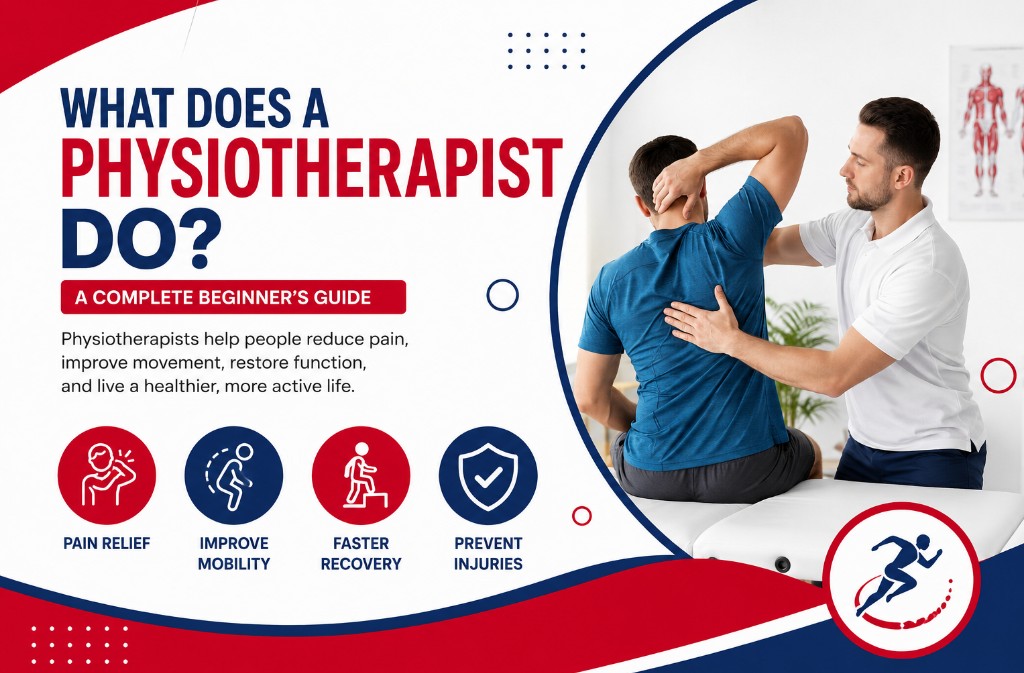
Have you ever wondered what a physiotherapist actually does? Many people believe physiotherapy is only for athletes or those recovering from surgery. However, physiotherapy benefits people of all ages and activity levels. Whether you’re dealing with chronic pain, recovering from an injury, or simply looking to improve your mobility, a physiotherapist can help you move better and feel stronger. At Lifeline Physio, we provide personalized treatment plans designed to reduce pain, restore movement, and improve your overall quality of life. In this guide, you’ll learn exactly what a physiotherapist does, when you should see one, and how physiotherapy can support your long-term health. What Does a Physiotherapist Do? A physiotherapist is a licensed healthcare professional who assesses, diagnoses, and treats conditions affecting movement, muscles, joints, and overall physical function. Rather than simply treating symptoms, physiotherapists identify the underlying cause of pain or mobility problems. As a result, patients receive treatment that supports long-term recovery instead of temporary relief. In addition, physiotherapists educate patients about posture, body mechanics, and injury prevention. Their goal is to help people regain strength, improve flexibility, and return to their normal daily activities with confidence. How Physiotherapists Help Patients Physiotherapists use evidence-based techniques to create personalized treatment plans. Because every patient is different, each plan is tailored to individual needs and recovery goals. Furthermore, treatment is adjusted as you progress to ensure the best possible results. Pain Management One of the primary responsibilities of a physiotherapist is helping patients manage pain naturally. Instead of relying only on medication, physiotherapy combines manual therapy, therapeutic exercises, stretching, and movement education. Consequently, many patients experience lasting pain relief while improving their overall mobility. Injury Rehabilitation Whether you’ve experienced a sports injury, workplace accident, or fall, physiotherapy plays a key role in recovery. First, your physiotherapist performs a detailed assessment. Next, they design a rehabilitation program that safely rebuilds strength and function. Ultimately, this helps you return to work, sports, and everyday activities with confidence. Improving Mobility Limited mobility can develop because of aging, arthritis, surgery, or injury. Fortunately, physiotherapists design customized exercise programs that improve flexibility, strength, coordination, and balance. Over time, these improvements make daily activities easier and more comfortable. Preventing Future Injuries Physiotherapists don’t only treat existing problems—they also help prevent new ones. For example, they identify muscle imbalances, poor posture, and unhealthy movement patterns. Additionally, they teach proper body mechanics and exercises that reduce the risk of future injuries. As a result, patients enjoy healthier movement and fewer recurring problems. Conditions Treated by a Physiotherapist Physiotherapists help treat many conditions affecting the muscles, joints, and nervous system. Some of the most common conditions include: Back pain Neck pain Shoulder pain Knee pain Hip pain Sports injuries Arthritis Sciatica Muscle strains Ligament sprains Tendon injuries Post-surgical rehabilitation Balance disorders Workplace injuries Chronic pain conditions At Lifeline Physio, every treatment plan is carefully designed to match each patient’s unique condition and personal goals. What Happens During Your First Physiotherapy Appointment? If you’ve never visited a physiotherapist before, your first appointment is straightforward and informative. Initial Assessment Initially, your physiotherapist will ask questions about: Your medical history Current symptoms Pain levels Previous injuries Daily activities Personal recovery goals Physical Examination Next, a physical assessment may include evaluating: Joint mobility Muscle strength Flexibility Balance Walking pattern Posture Functional movement Personalized Treatment Plan Finally, your physiotherapist will develop a customized treatment plan. Depending on your condition, it may include manual therapy, strengthening exercises, stretching, posture correction, education, and a home exercise program. This approach helps support both short-term recovery and long-term wellness. Common Physiotherapy Treatments Every patient receives individualized care based on their specific condition. Generally, treatment combines several techniques for the best outcomes. Manual Therapy Manual therapy uses hands-on techniques to improve joint mobility, reduce muscle tension, and relieve pain. As a result, patients often notice improved movement after treatment. Therapeutic Exercise Exercise programs strengthen muscles, improve flexibility, and restore physical function. Furthermore, these exercises are adjusted throughout your recovery to match your progress. Stretching Programs Stretching helps improve range of motion while reducing stiffness. In addition, it supports healthy muscles and joints, making everyday movement easier. Posture and Movement Education Poor posture often contributes to ongoing pain. Therefore, physiotherapists teach proper movement techniques that reduce unnecessary strain on the body and improve daily comfort. Injury Prevention Advice Physiotherapists also provide practical advice about workplace ergonomics, sports performance, lifting techniques, and healthy movement habits. Consequently, patients are better equipped to avoid future injuries. Who Should See a Physiotherapist? Many people can benefit from physiotherapy. For example, you should consider seeing a physiotherapist if you: Experience ongoing pain Have recently suffered an injury Are recovering from surgery Have difficulty walking or moving comfortably Participate in sports regularly Spend long hours sitting at a desk Want to improve flexibility and balance Wish to prevent future injuries Most importantly, you don’t have to wait until your pain becomes severe. In fact, early treatment often leads to faster recovery and better long-term results. Benefits of Physiotherapy Physiotherapy offers many benefits for people of all ages. For instance, it helps: Reduce pain Improve mobility Increase strength Improve flexibility Enhance posture Improve balance and coordination Speed up recovery after injury Reduce dependence on pain medication Prevent future injuries Improve overall quality of life At Lifeline Physio, we focus on long-term recovery rather than temporary symptom relief. Therefore, every treatment plan is designed around your individual health goals. Why Choose Lifeline Physio? Choosing the right physiotherapy clinic can make a significant difference in your recovery. At Lifeline Physio, our experienced team provides comprehensive assessments, evidence-based treatments, and compassionate care. Moreover, we take time to understand your goals before creating a personalized treatment plan. Whether you’re recovering from surgery, managing chronic pain, or looking to improve mobility, we’re committed to helping you achieve lasting results. Lifeline Physio 2920 Kingsview Blvd SE #3125 Airdrie, AB T4A 0A9 Canada Phone: +1 (403) 960-0333 Frequently Asked Questions What does a physiotherapist do during the first appointment? A physiotherapist reviews your